




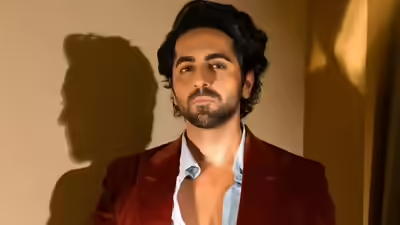


Actor Ayushmann Khurrana has joined the conversation around modern relationship dramas in Bollywood after filmmaker Mudassar Aziz recently defended films like Pati Patni Aur Woh. The discussion started online after debates resurfaced about how Bollywood portrays marriage, infidelity, and comedy in romantic films.
During a recent interaction, Ayushmann spoke about the importance of understanding a film within the context of its genre and storytelling style. He explained that movies often reflect flawed characters and complicated relationships because audiences connect with realistic emotions and imperfect situations.
Without directly dismissing criticism, Ayushmann said viewers should separate fictional storytelling from personal morality. According to him, films sometimes use uncomfortable situations to create humour, conflict, or emotional growth among characters. He also pointed out that cinema has evolved significantly over the years, and audiences today view relationship dramas with more awareness and discussion.
The conversation gained momentum after Mudassar Aziz defended Pati Patni Aur Woh and similar films against criticism that labels them problematic. The filmmaker reportedly argued that stories about human flaws should not automatically face harsh judgment, especially when filmmakers present them as light-hearted entertainers rather than social messages.
Ayushmann’s comments quickly caught attention online because the actor himself often chooses socially layered films that balance humour with emotional themes. Fans appreciated that he approached the debate thoughtfully instead of reacting aggressively. Many social media users praised him for encouraging nuanced conversations around cinema and storytelling.
At the same time, the topic also divided audiences online. Some viewers agreed with Ayushmann and Mudassar’s perspective, saying films should allow creative freedom and imperfect characters. Others felt Bollywood still needs to become more sensitive while portraying relationships and gender dynamics in mainstream entertainment.
Interestingly, this debate reflects a larger shift in how audiences consume films today. Earlier, viewers mostly watched romantic comedies for entertainment, but modern audiences often analyse characters, dialogues, and social messaging more deeply. As a result, even older Bollywood films regularly return to online discussions years after release.
Ayushmann Khurrana’s response has now added another layer to the ongoing debate surrounding storytelling freedom, audience expectations, and changing social perspectives in Hindi cinema. Whether people agree or disagree, the conversation has once again highlighted how strongly Bollywood films continue to influence public opinion and cultural discussions.