






In a major political setback for the Aam Aadmi Party (AAP), Ashok Mittal, the Rajya Sabha MP who had recently replaced Raghav Chadha as the party’s deputy leader in the Upper House, is now set to join the Bharatiya Janata Party (BJP). The development adds another dramatic twist to the shifting political equations in the Upper House and comes as a fresh blow to Arvind Kejriwal’s party.
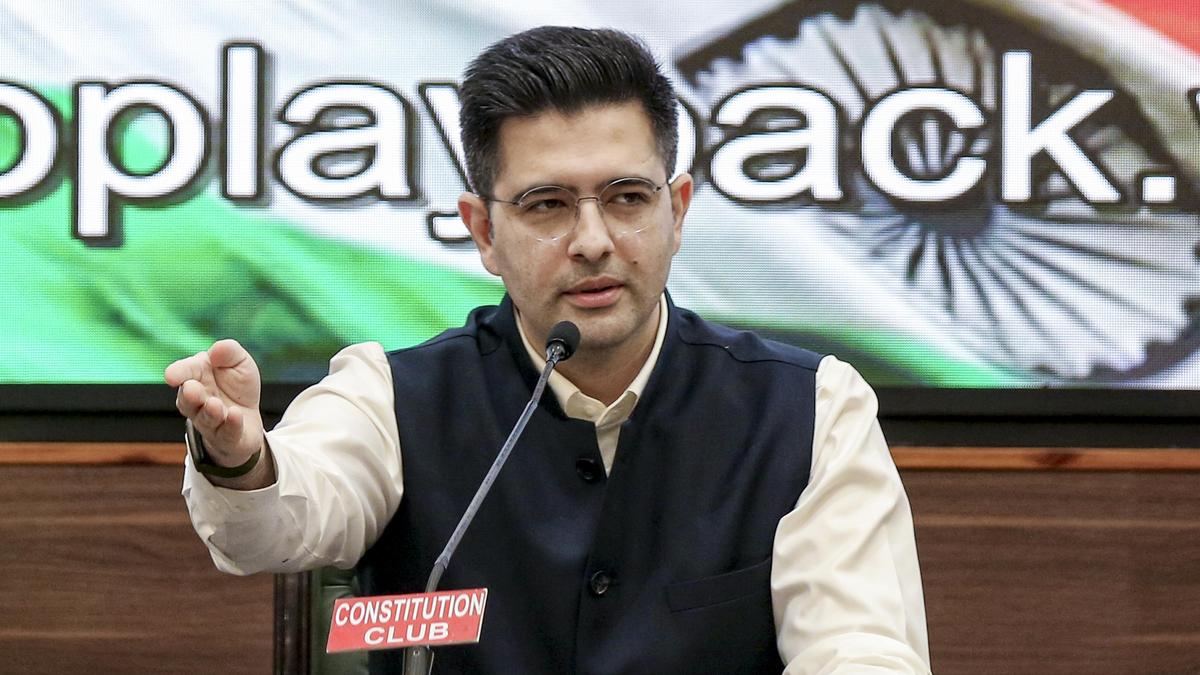
Mittal’s move is especially significant because he had only recently been brought in to replace Chadha in AAP’s Rajya Sabha leadership. The party’s decision at the time was seen as an internal reshuffle, but the latest defection has turned that administrative change into a bigger political story. According to reports, Mittal will join the BJP along with Raghav Chadha and Sandeep Pathak, deepening the crisis for AAP in Parliament.
The latest development follows weeks of internal churn within AAP’s Rajya Sabha unit. Earlier this month, the party had removed Chadha as deputy leader and named Mittal in his place, with reports pointing to Chadha’s reduced visibility in party affairs and his absence from key events led by Arvind Kejriwal. At the time, Mittal had downplayed speculation of a rift, saying the move was part of the party’s normal process. That explanation now appears far less convincing in light of the mass resignation and planned merger with the BJP.
Mittal, who is also known as the founder and chancellor of Lovely Professional University, entered the Rajya Sabha in 2022 and had been regarded as one of AAP’s prominent business-linked voices in Parliament. His sudden political shift now raises questions about the stability of AAP’s parliamentary team and the party’s ability to retain loyalty among its nominated lawmakers.
For AAP, the timing could not be worse. A party already facing pressure on multiple political fronts is now dealing with a high-profile internal rupture that could weaken its standing in the Rajya Sabha. With Chadha, Pathak and Mittal all now moving toward the BJP, the episode signals not just a leadership shake-up but a deeper erosion of trust inside the party’s parliamentary ranks.