




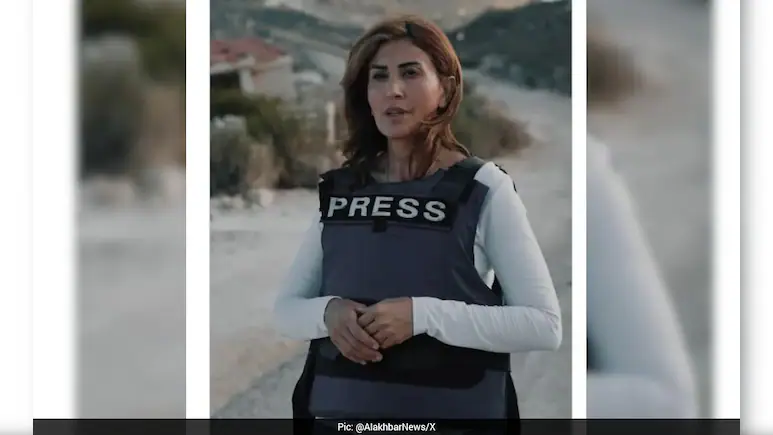


Lebanese Prime Minister Nawaf Salam has strongly condemned the killing of journalist Amal Khalil, accusing Israel of committing war crimes in its ongoing strikes on southern Lebanon. Salam’s statement came hours after Khalil was killed and photographer Zeinab Faraj was wounded in an Israeli airstrike near the town of al‑Tayri, south of Beirut, as they were reporting on the ground. The Lebanese health ministry and senior military officials confirmed the incident, which has now pushed the Wednesday death toll to five, the highest since a 10‑day ceasefire was announced on April 16 between Israel and Hezbollah.
PM salutes Khalil, vows international action
In a post on X, Salam said that targeting journalists, blocking relief teams’ access, and then striking their locations again once help arrives are acts described as war crimes under international law. He stressed that Israel’s repeated targeting of media workers in the south is no longer a series of isolated incidents, but an established pattern of conduct that Lebanon rejects. Salam pledged to raise the case in international forums, vowing that Lebanon will spare no effort in holding those responsible accountable before competent international bodies. He also extended condolences to Khalil’s family, colleagues and the wider Lebanese media community, and wished a swift recovery to the injured photographer Zeinab Faraj.
How the strike unfolded
According to Lebanese authorities and press watchdogs, Amal Khalil, 43, and freelance photographer Zeinab Faraj were near al‑Tayri covering the impact of Israeli strikes when an airstrike hit a vehicle just ahead of them. They ran into a nearby house for safety, but that building was also struck in a follow‑up Israeli attack, killing Khalil and wounding Faraj. Khalil had been a correspondent for Al‑Akhbar and had previously spoken about receiving direct threats from Israeli numbers, warning her to leave southern Lebanon or risk her life. Rights groups have long warned that the repeated targeting of journalists in conflict zones constitutes a violation of international humanitarian law and undermines the public’s right to know.