


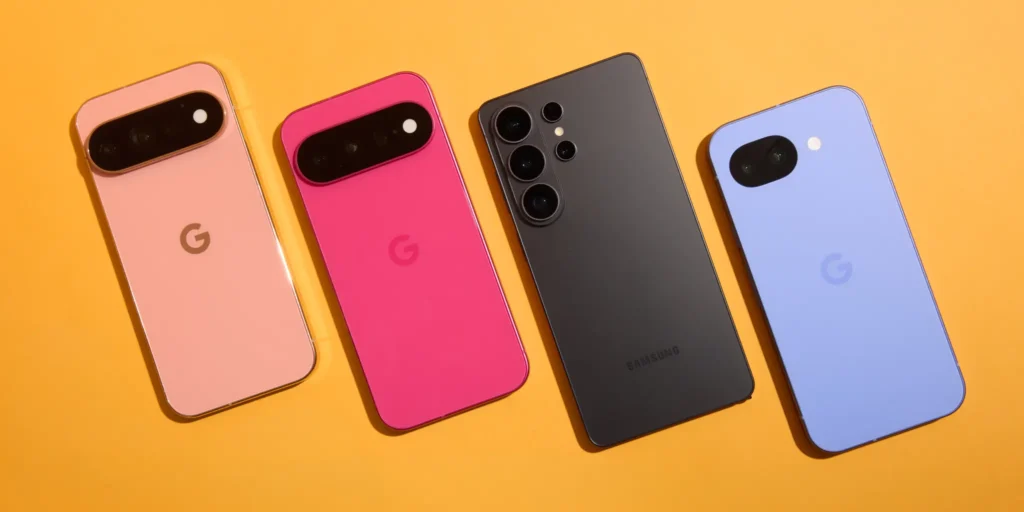
If your current smartphone is still working properly, buying a new device just because of a flashy camera, higher RAM or a festival offer may not be the smartest decision right now. Smartphone prices in India have risen sharply in 2026, putting pressure on consumers who were already dealing with higher living costs.
For many people, a mobile phone is no longer a luxury. It is essential for online payments, banking, office work, school classes, booking tickets, social media and communication. However, there is a major difference between buying a phone out of necessity and upgrading simply because a new model has been launched. At a time when handset prices are rising across budget and premium segments, consumers need to assess their actual requirement before spending thousands of rupees on a new device.
Why Are Smartphones Becoming Expensive?
The biggest reason behind the rising smartphone prices is the increase in the cost of components used inside phones. Memory chips, including DRAM and NAND storage, have become more expensive because of growing global demand from artificial intelligence data centres, cloud computing companies and high-performance technology systems.
Smartphone makers depend heavily on these components. When the price of memory, processors, displays, batteries and other hardware rises, companies have two choices: either absorb the extra cost and reduce their profit margins, or pass the burden on to consumers. Most brands are now choosing the second option.
India has seen one of the sharpest increases in smartphone retail prices among major markets. The rise is particularly painful for customers looking for phones under Rs 20,000, as this segment is highly price-sensitive. A small increase of Rs 1,000 or Rs 2,000 can force buyers to compromise on storage, camera quality, display features or 5G connectivity.
The situation is even tougher in the entry-level segment. Phones that earlier offered decent performance, 6GB RAM, 128GB storage, a large battery and 5G support at around Rs 12,000 are now becoming difficult to find at the same price. Similar specifications may now cost Rs 15,000 or even more.
Brands Are Revising Prices
Several leading smartphone brands have reportedly increased prices of selected devices in recent months. Models from Samsung, Realme, Oppo, Vivo, OnePlus and other companies have become more expensive in different price categories.
In some cases, companies have raised the official retail price. In other cases, brands may keep the price unchanged but cut down on what comes inside the box. For example, buyers may no longer get a charger, protective cover or other accessories that were earlier included. Some manufacturers may also launch a phone at a seemingly attractive price but offer lower storage or limited features in the base variant.
This means customers should not judge a phone only by its sticker price. A Rs 15,000 phone without a charger could eventually cost more after adding the price of a compatible fast charger, screen guard, cover and extended warranty. The real cost of ownership can be much higher than the number shown in advertisements.
Budget Buyers Face the Biggest Problem
The biggest impact of price hikes is being felt by budget buyers. These include students, first-time smartphone users, working professionals, small business owners and families buying phones for elderly members or children.
For such buyers, a smartphone purchase is often planned several months in advance. They compare prices across online platforms, local shops and festive sales before making a final decision. When handset prices rise suddenly, many people either postpone the purchase or settle for a lower-specification model.
This is also increasing interest in refurbished smartphones. A certified refurbished phone can offer better specifications at a lower price than a brand-new handset. However, buyers must be careful while choosing this option. They should check the warranty period, battery condition, return policy, repair history and seller credibility before making payment.
Buying a used smartphone from an unknown seller just because it is cheap can be risky. The device may have hidden damage, poor battery health, an inactive warranty, a replaced display or software-related issues. A cheap deal can quickly become expensive if the phone needs repair within a few weeks.
Should You Buy a Phone Now?
The answer depends on your situation. If your phone is repeatedly switching off, has a damaged screen, poor battery backup, storage failure or cannot run essential banking and work applications, then delaying the purchase may not make sense. In such a case, buying a reliable phone within your budget is a practical decision.
However, if your current phone is only slightly slow or running out of storage, you may be able to delay the upgrade. Start by deleting unnecessary apps, clearing duplicate photos and videos, moving files to cloud storage and updating the phone’s software. Replacing an old battery can also improve day-to-day performance in many cases.
Before buying a new device, compare prices across different platforms and offline stores. Check bank discounts, exchange offers, cashback terms and no-cost EMI conditions carefully. Do not assume that every “festival sale” gives the lowest price. Sometimes a seller may increase the listed price before offering a discount, making the deal look better than it actually is.
It is also wise to compare the final payable amount rather than the advertised discount. Add the cost of accessories, delivery, insurance, extended warranty and EMI charges before deciding.
Buy for Need, Not for Hype
A smartphone should be selected according to daily usage, not internet hype. Someone who uses WhatsApp, UPI, calls, YouTube and social media does not necessarily need a high-end flagship phone. Similarly, a buyer who needs the phone for professional video work, gaming, photography or heavy multitasking may benefit from paying more for better performance.
The key is to identify what matters most: battery life, camera quality, software updates, storage, display, service support or gaming performance. Paying extra for features you will never use is not a smart purchase.
With mobile prices climbing, consumers should avoid panic buying and emotional upgrades. Wait for a genuine requirement, compare options carefully and choose a phone that will remain useful for at least three to four years.