




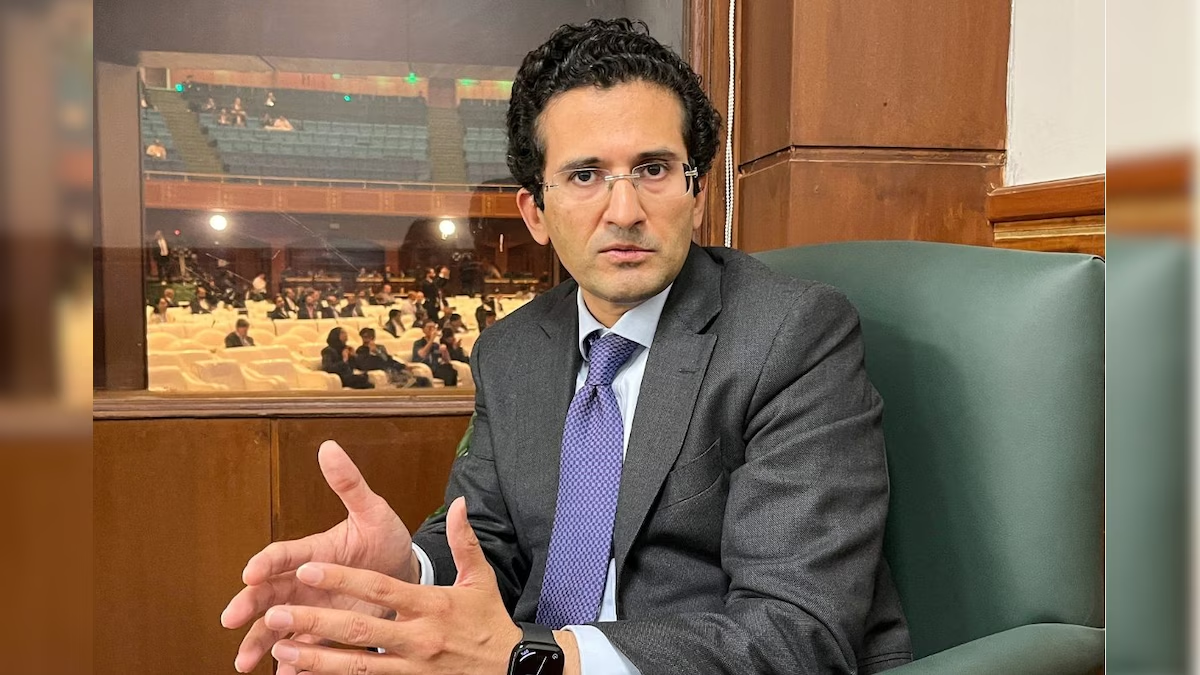


With oil prices rising drastically to $126 per barrel due to the ongoing blockade around the Strait of Hormuz, Pakistan’s Petroleum Minister Ali Pervaiz Malik pointed out the differences in how India and Pakistan are handling the fuel crisis.
While India is making use of its forex buffers and strategic reserves, Pakistan is struggling, exposing vulnerabilities.
Malik blamed the rigid conditions imposed by the International Monetary Fund (IMF) for Pakistan’s current situation, while speaking to a local news channel.
“India doesn’t just have 600 Arab dollars worth of reserves but they also maintain strategic reserves. This helps them cushion this crisis. Besides, they are not part of IMF programme and they tried to insulate themselves by reducing taxation as oil prices soared… they had the fiscal space to do that,” he said.
He said Pakistan had to speak with the IMF for relief for its people because of the rising oil prices and that during the budget, it was decided with the IMF and other donor agencies that a levy on diesel and petrol would be charged to “check our losses”.
Malik stated, “Now, with diesel prices rising up to 3-4 times, we decided to reduce the levy to zero on diesel and shift the entire burden to petrol while protecting motorcyclists by giving them targeted subsidy. However, had we broken our commitment with IMF and increased our losses, the consequences would have been worse. We conducted backchannel negotiations with IMF and convinced them to reduce levy by Rs 80 per litre.”
He also noted Pakistan’s lack of strategic oil reserves, “We only have commercial reserves. We have crude worth five to seven days. And the refined product with OMCs can only last 20-21 days. We are not like India which has 60-70 days of reserves and can release it with just a single signature.”
Pakistan had cut down petrol prices to Rs 378 per litre, with Prime Minister Shehbaz Sharif declaring the cut would be funded through the government’s petroleum levy. India’s petrol and diesel prices have been comparatively stable, with the government cutting central excise duties by approximately Rs 10 per litre on both fuels and helping oil marketing companies that were incurring losses due to rising fuel prices.