




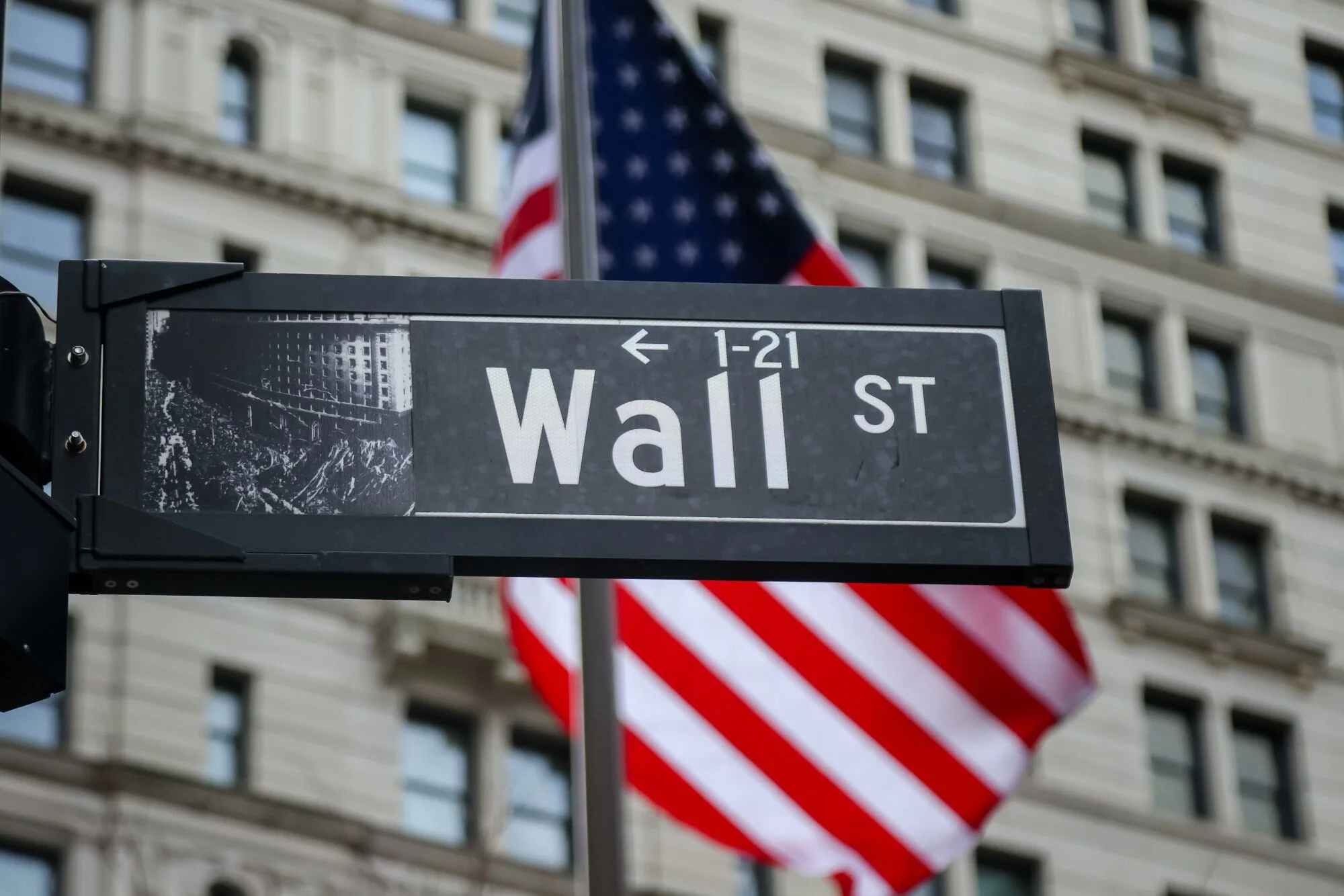


Wall Street News: US stocks came under pressure as a selloff in semiconductor companies reignited concerns over the sustainability of the artificial intelligence (AI) investment boom. Questions surrounding OpenAI’s revenue outlook weighed on technology shares, prompting investors to reassess whether massive spending on AI infrastructure will generate sufficient returns.
The Nasdaq 100 declined 1.4%, while the S&P 500 fell 0.5% by the close of trading in New York. A gauge tracking major semiconductor companies dropped 3.4%, reflecting renewed pressure on chipmakers that have benefited significantly from the AI-driven market rally. Meanwhile, the Dow Jones Industrial Average edged up 0.1%, highlighting the divergence between technology stocks and other parts of the market.
The MSCI World Index also declined 0.5%, indicating that investor concerns extended beyond the US technology sector.
OpenAI Revenue Outlook Raises Questions
Investor sentiment weakened following reports that OpenAI, the developer of ChatGPT, is on track to generate annualised revenue of approximately $50 billion based on its current performance. The estimate is lower than some earlier expectations, with reports last month suggesting that the company could approach an annualised revenue run rate of nearly $70 billion.
The differing estimates have drawn attention to the financial performance of leading AI companies at a time when technology firms are committing substantial resources to computing infrastructure, advanced chips and data centres.
Although AI adoption continues to expand, investors are increasingly focused on whether the revenue generated by AI products and services can justify the scale of investment.
Rising Borrowing Costs Add to Market Volatility
The latest selloff comes after strong gains in semiconductor stocks, driven by expectations of sustained demand for AI-related hardware and infrastructure. However, rising borrowing costs and increasing debt levels have raised concerns about how long companies can maintain their current spending pace.
Matt Maley of Miller Tabak said investors were becoming more sceptical about the durability of the AI investment boom as financing costs increased significantly.
The uncertainty is particularly relevant for chipmakers and other companies whose valuations depend heavily on expectations of continued AI-related spending.
UBS Chief Investment Office, however, maintained a positive long-term outlook for AI investment, describing it as a powerful driver for the broader equity market. The firm also highlighted the importance of portfolio diversification as market gains become increasingly concentrated among a relatively small group of companies.
Uncertainty over investment returns, AI safety, financing and execution could contribute to further market volatility, particularly while elevated yields increase the cost of capital.
Oil Rises as Investors Monitor Iran Tensions
Oil prices advanced amid geopolitical developments, although crude futures retreated from their session highs after US President Donald Trump said the United States would not attack Iran before the midterm elections.
West Texas Intermediate crude rose 2.8% to $90.78 per barrel.
Spot gold gained 0.6% to $4,134.68 an ounce, while the US dollar remained broadly unchanged against a basket of major currencies. The euro rose 0.2% to $1.1215, and the British pound advanced 0.1% to $1.3232. The Japanese yen strengthened 0.1% to 157.88 per dollar.
Federal Reserve Signals Keep Traders Cautious
Investors also monitored comments from Federal Reserve officials for clues about the future path of US interest rates.
Fed Governor Christopher Waller indicated that further rate increases would likely be necessary, while noting that policymakers retained flexibility over the timing of their decisions. St. Louis Fed President Alberto Musalem suggested that rates should rise over the following six to nine months but did not explicitly endorse an increase at the upcoming meeting.
Treasuries advanced after a solid auction of 30-year government bonds. The 10-year US Treasury yield fell six basis points to 5.23%.
Cryptocurrencies also weakened, with Bitcoin falling 1.9% to $81,786.79 and Ether declining 4.1% to $2,466.90.
As markets navigate rising financing costs, geopolitical uncertainty and questions about AI profitability, investors are likely to remain focused on corporate earnings, capital expenditure plans and evidence that artificial intelligence can deliver sustainable financial returns.