




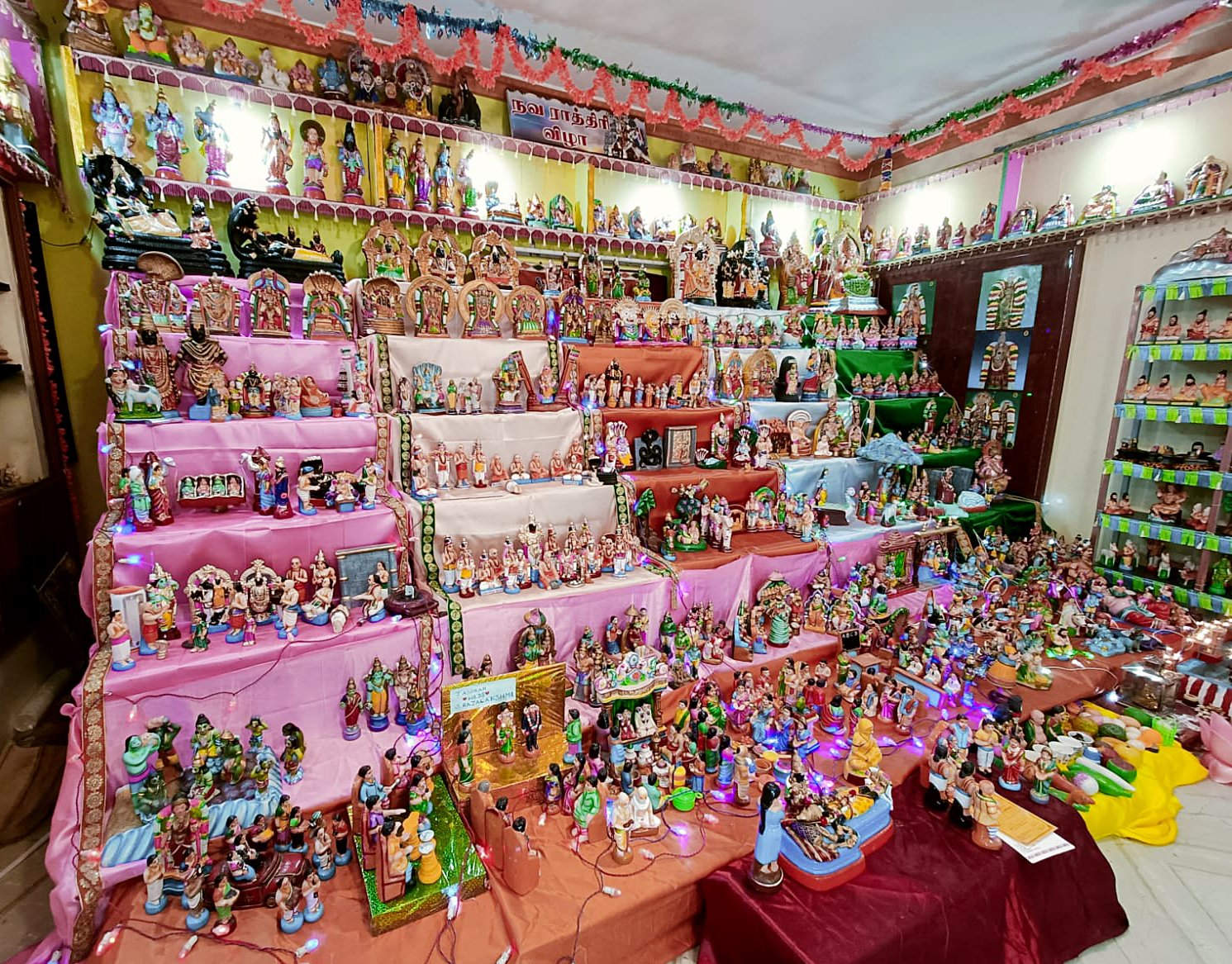


As India celebrates the vibrant festival of Navaratri, traditional Golu doll displays are adding colour, devotion and cultural charm to homes and temples across South India. Known by different names across the region, the centuries-old tradition brings together religious beliefs, artistic expression and community celebrations.
In Tamil Nadu, Karnataka and Andhra Pradesh, devotees arrange beautifully decorated figurines on tiered steps as part of Navaratri rituals. The displays, known as Bommai Golu, Bommala Koluvu or Bombe Habba, feature Hindu deities, including Goddess Saraswati, alongside other traditional and cultural figures.
Golu Dolls Reflect South India’s Rich Cultural Traditions
Golu is a cherished Navaratri tradition in which dolls and figurines are arranged on specially prepared stepped platforms inside homes and, in some places, temples. The displays often include representations of gods and goddesses, adding a devotional atmosphere to the celebrations.
The tradition is particularly prominent in Tamil Nadu, Karnataka and Andhra Pradesh, where families prepare their displays as part of the annual festivities. Carefully arranged figures and decorative settings transform household spaces into vibrant centres of worship and cultural expression.
The dolls also reflect the region’s artistic heritage, with traditional figurines helping preserve customs passed down through generations.
Goddess Saraswati and Other Deities Feature in Displays
Among the figurines displayed during Navaratri are representations of Goddess Saraswati and other Hindu deities. These displays add to the spiritual significance of the celebrations, as devotees gather to offer prayers and participate in traditional rituals.
Golu arrangements bring together religious devotion and visual storytelling. The tiered displays allow families to present different themes through figurines, creating an elaborate setting that complements the festive atmosphere.
The tradition also offers an opportunity for families to share their customs with visitors and younger generations.
Navaratri Celebrates the Divine Feminine Energy
Shardiya Navratri is a sacred Hindu festival celebrated over nine nights in honour of the divine feminine energy associated with Goddess Durga.
Observed during the lunar month of Ashwin, the festival features prayers, elaborate rituals and cultural performances. Each day is associated with a different form of the goddess, symbolising qualities such as strength, compassion and wisdom.
Devotees observe fasts, sing devotional songs and participate in religious ceremonies. Traditional dances, including Garba and Dandiya, also contribute to the festive atmosphere in many parts of India.
A Celebration of Faith, Family and Community
The Golu tradition highlights the diversity of Navaratri celebrations across India. While worship and devotion remain central to the festival, regional customs give the celebrations their distinctive character.
In South Indian households, doll displays bring families together through preparation, decoration and prayer. They also help preserve cultural traditions by passing down rituals and artistic practices to younger generations.
As beautifully arranged Golu dolls adorn homes and temples, the tradition continues to add a distinctive festive charm to Navaratri, combining spirituality, creativity and the rich cultural heritage of South India.