




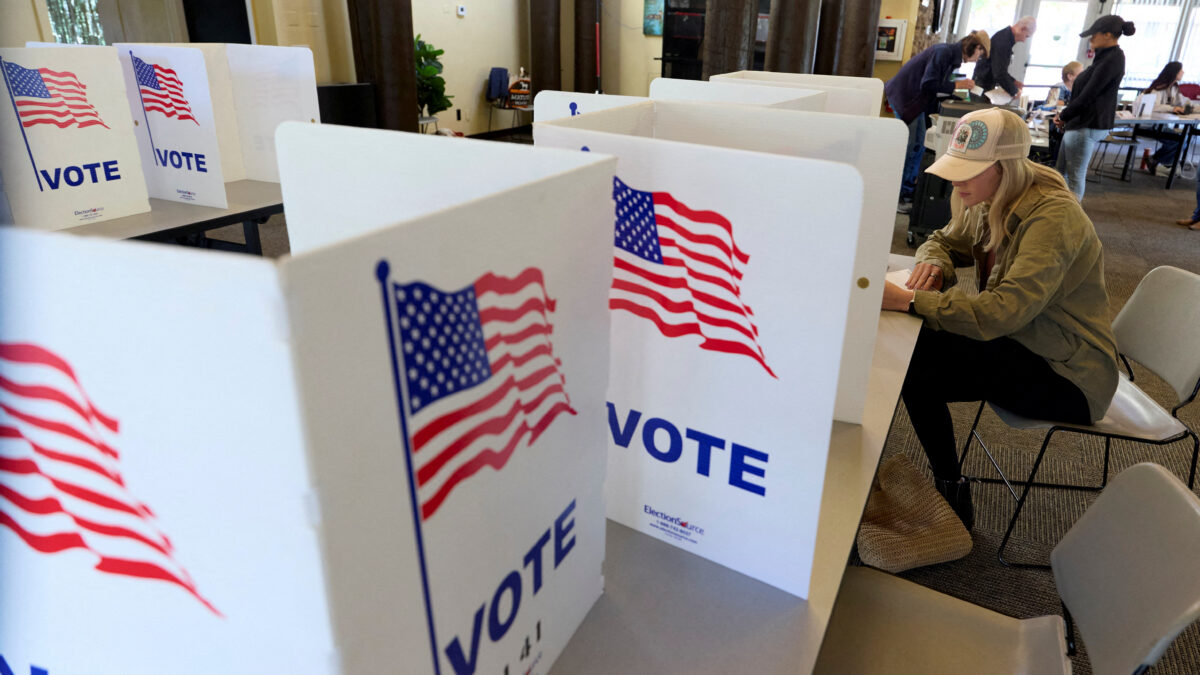


A congressional redistricting battle among US states is tightening as the country moves closer towards the November midterm elections.
Redistricting is the process of redrawing electoral district boundaries to reflect population shifts and ensure fair representation. It is typically done once in ten years, after the census. However, President Donald Trump set off a round of mid-decade redistricting in 2025 when he encouraged Republicans in Texas to redraw House Districts to give the party an edge in the midterm elections. The Democratic Party responded through a redistricting in California, and other states soon followed.
New US House districts were adopted by seven states since last summer. Five took it up voluntarily, one was required to do it by the state constitution while the other was obliged under a court order.
Virginia voters approved a constitutional amendment on Tuesday which authorised a Democratic redistricting plan, potentially helping the party win additional seats in the elections. Former President Barack Obama urged voters to approve the plan earlier this week while Trump made a last-minute appeal to reject it.
“If the Democrats get additional House seats, they’re going to be making changes at the federal level,” Trump said.
The focus is now on Florida where lawmakers are expected to have a special session on April 28 for a Republican attempt at redistricting. However, members expressed concern that drawing the map too aggressively could backfire on the party in the elections.
Democrats are also eyeing a redistricting plan in Maryland for a GOP seat whereas Republicans are pushing for a redistricting in Kansas.
Republicans currently predict a maximum of nine additional seats in states where their redistricting was successful while Democrats hope to win up to ten seats elsewhere.
The Democratic Party is just short of a few seats to take control of the House from the Republicans.