




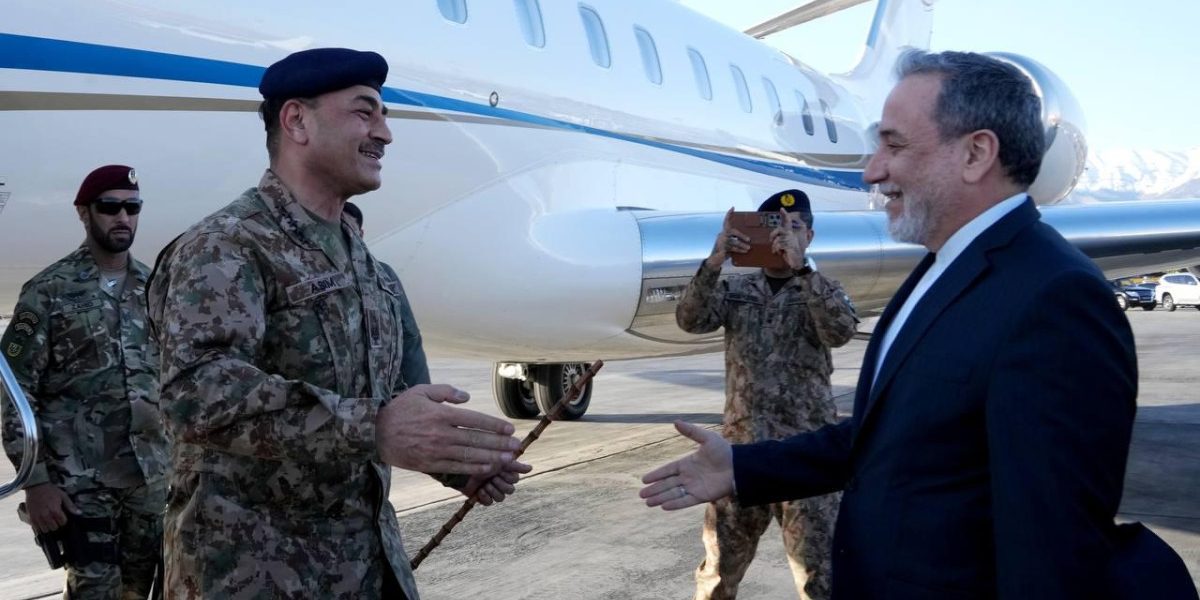


Islamabad’s diplomatic role in the US-Iran crisis is gaining momentum, with Pakistan’s Army Chief Asim Munir arriving in Tehran as part of a high-level delegation aimed at reviving stalled negotiations between Washington and Tehran. Iranian state media said the delegation is carrying a message from the United States and is expected to help set the stage for a second round of talks, possibly in Islamabad.
The visit marks another sign that Pakistan has emerged as a key intermediary in efforts to ease tensions after weeks of escalation. According to reports, the delegation is not only carrying messages between the two sides but is also working to coordinate the next phase of dialogue. The possibility of renewed talks in Islamabad is being closely watched, as it would further cement Pakistan’s role as the primary mediator in the dispute.
Pakistan’s mediation drive gathers pace
Pakistan has been actively trying to position itself as a bridge between Tehran and Washington, with Prime Minister Shehbaz Sharif also seeking to project Islamabad as a “key mediator” in the conflict. The latest outreach comes after earlier U.S.-Iran discussions in Islamabad ended without a breakthrough, although both sides reportedly kept channels open.
Officials quoted in media reports said Munir’s trip is tied to the broader attempt to restart diplomacy before the current ceasefire arrangement loses momentum. The White House has indicated that another round of talks is likely, and U.S. President Donald Trump has hinted that negotiations could resume in Pakistan within days, adding to expectations that Islamabad may host the next stage of dialogue.
Ceasefire questions remain unresolved
Despite the diplomatic movement, uncertainty still hangs over the ceasefire between Iran and the United States. A senior U.S. official, cited by media, said Washington has not formally agreed to extend the ceasefire, even though backchannel engagement continues. That leaves the process fragile, with no clear guarantee that the current calm will last long enough for a meaningful diplomatic breakthrough.
Iran, meanwhile, says it has engaged constructively but accuses Washington of making “excessive demands” on issues tied to the Strait of Hormuz and its nuclear programme. Tehran has maintained that any progress depends on recognition of its legitimate rights and interests, while hinting that it had put forward reasonable proposals during earlier talks.
High stakes for the region
Munir’s Tehran visit underscores how much the regional equation has shifted, with Pakistan stepping into a central role at a time when direct trust between Tehran and Washington remains thin. The mediation effort is being watched not just for its immediate impact on the ceasefire, but also for whether it can create room for a lasting framework on the nuclear issue, maritime security and wider regional de-escalation.
For now, the diplomatic track remains open but precarious. The next few days will determine whether Pakistan can convert its unusual influence into a concrete breakthrough, or whether the talks slip back into the familiar pattern of delay, distrust and renewed tension.