




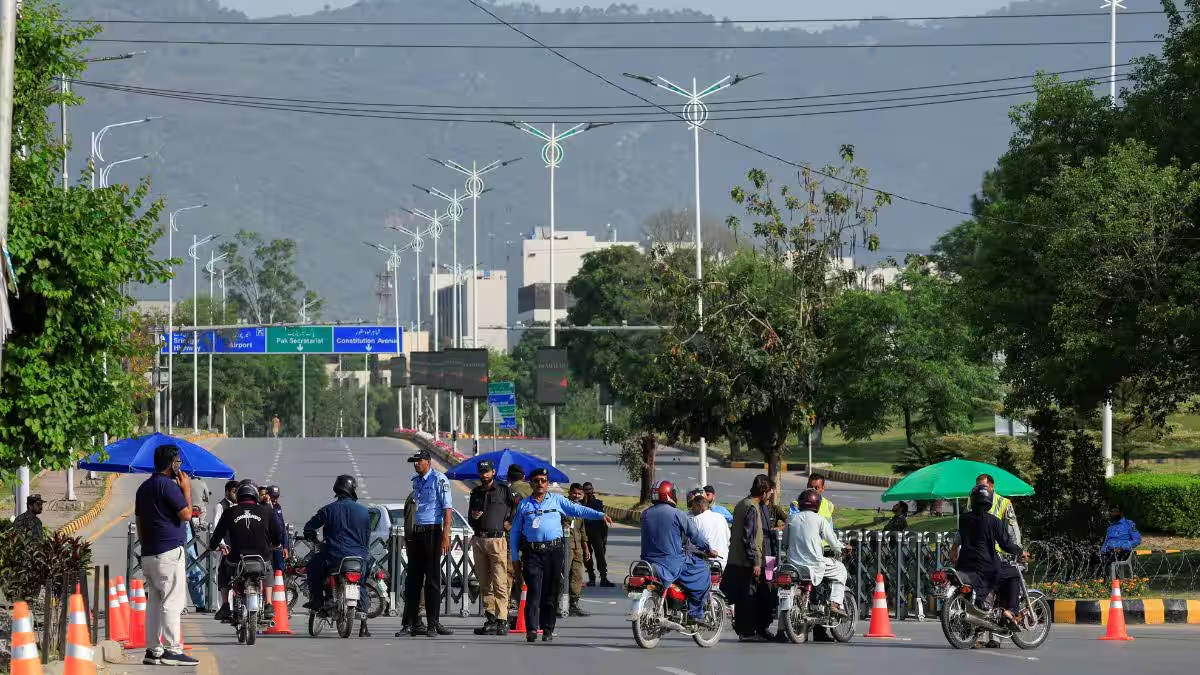


As the proposed second round of talks between Iran and the United States is yet to take shape, mediator Pakistan is facing a domestic issue, with its two major cities Islamabad and Rawalpindi remaining under near lockdown for several days awaiting the negotiations. Both cities have been effectively shut down, a scenario paralleling the lockdowns during the Covid-19 pandemic. Public anger has erupted due to lost businesses and reduced incomes.
The Guardian reported, “The streets of the Pakistani capital have been empty for days. The only visible figures are those in army and police uniforms lining the roads.”
PTI revealed that authorities sealers major roads and markets in VVIP zones and deployed over 10,000 security personnel.
Key areas around Nur Khan Airbase and Islamabad’s Red Zone are shit and offices are operating remotely. Public transport linking the citied were suspended while transportation of goods has been paused since April 19. Heavy traffic has been partially allowed in Rawalpindi while Islamabad still remains off-limits. Many universities have also shifted online
The working class was hit the hardest in both cities.
“Many workers in Islamabad and neighbouring Rawalpindi, unable to afford to rent a flat, were unceremoniously kicked out of their hostel accommodation on Saturday, after a government order, and tens of thousands had to hurriedly find a place to stay,” said The Guardian.
Al Jazeera reported that markets, which were “typically packed, standing room only”, were now reduced to shopkeepers “simply sitting waiting for customers” due to the shutdown of public transportation. The outlet also pointed towards businesses being allowed to open only for “a short abbreviated number of hours”, resulting in reduced sales and profits.
The public took to social media platforms to express their frustration with the Pakistan government.
“Why keep Rawalpindi and Islamabad in full lockdown mode, everything looking paralysed?” wrote journalist Nusrat Javeed on X.