




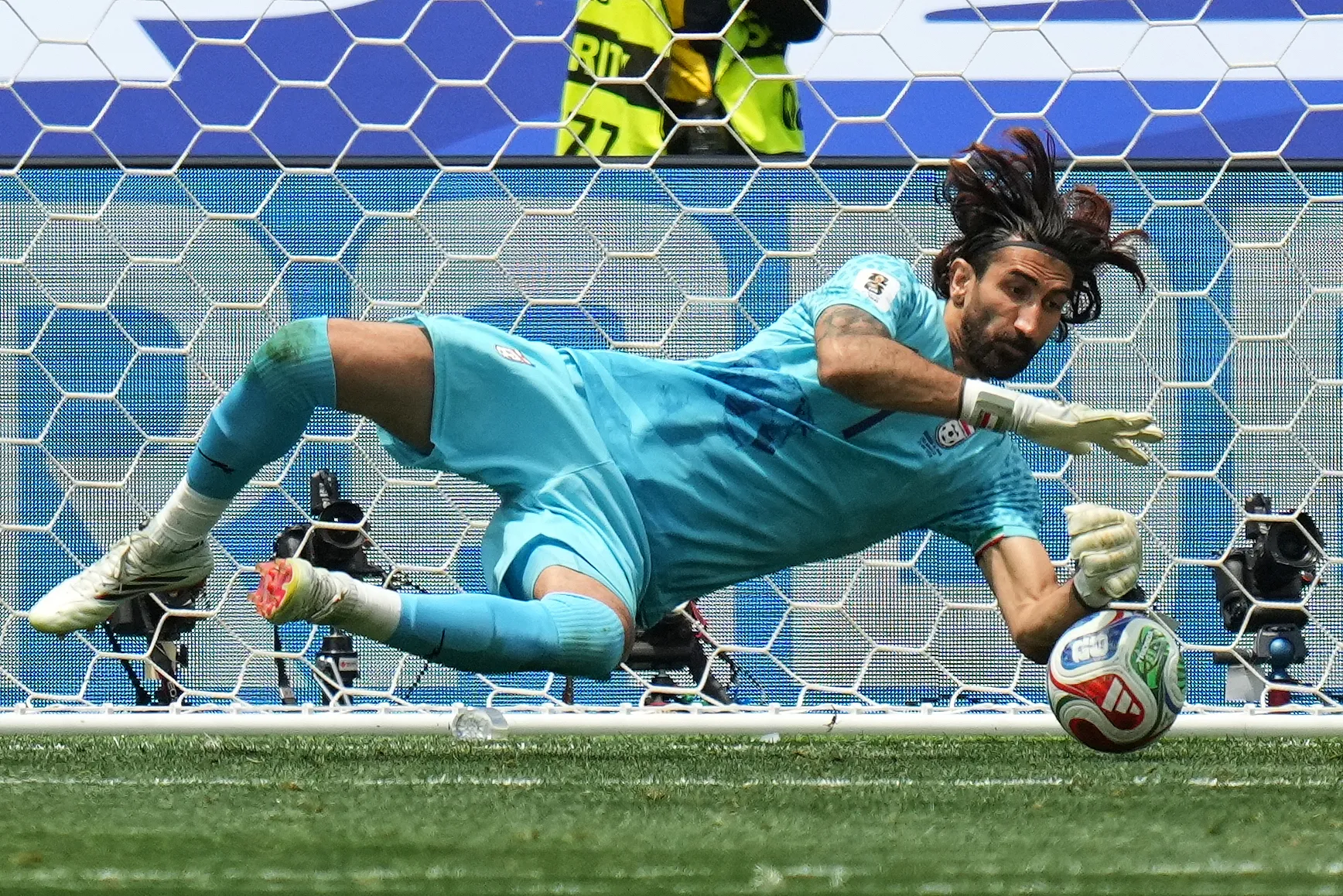


Football often produces stories that seem too extraordinary to be real, and few are as inspiring as that of Iran’s star goalkeeper, Alireza Beiranvand. At the 2026 FIFA World Cup in Los Angeles, the 33-year-old once again proved why he is regarded as one of the game’s most resilient figures, producing a brilliant display to help Iran secure a hard-fought 0-0 draw against Belgium.
Facing a Belgian side packed with attacking talent, Beiranvand turned into an unbreakable wall at SoFi Stadium. The Iranian goalkeeper made seven crucial saves during the match, including several spectacular diving stops and commanding catches under pressure. Time and again, he denied Belgium’s forwards and frustrated their attempts to break the deadlock.
His heroics earned him the Superior Player of the Match award and helped Iran pick up a valuable point in Group G. But while his performance against Belgium was remarkable, the road that brought him to football’s biggest stage is even more incredible.
Beiranvand is no ordinary goalkeeper. He holds two Guinness World Records—one for the longest throw in an official football match and another for the longest drop kick. His ability to launch the ball almost the entire length of the pitch has made him one of the most unique goalkeepers in world football.
Surprisingly, this extraordinary skill has its roots in his childhood. Born into a poor nomadic family in Iran’s Lorestan province, Beiranvand spent much of his early life as a shepherd. As a child, he played a local game called Dalparan, which involved throwing stones over long distances. Without realizing it, he was developing the incredible arm strength that would later become his trademark.
Life, however, was far from easy. His father reportedly opposed his dream of becoming a footballer and wanted him to focus on manual labour instead. But Beiranvand refused to give up. As a teenager, he borrowed money and ran away to Tehran in search of an opportunity.
The early days were brutal. With no money and nowhere to live, he slept outside football club gates and was often mistaken for a beggar. To survive, he took on several odd jobs, including cleaning cars, working in a pizza shop and sweeping streets.