




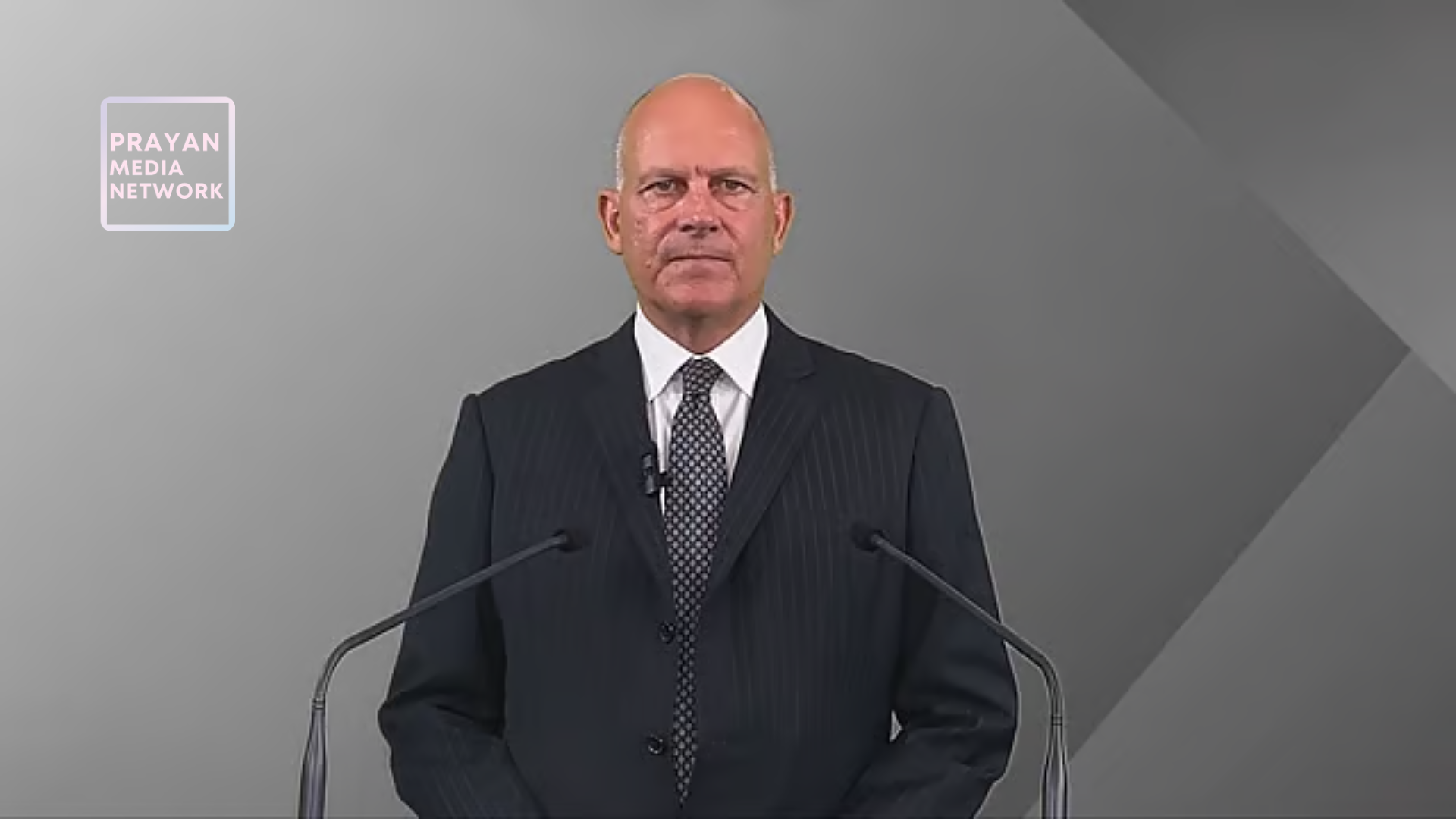


Tata Group‑owned Air India is set for a fresh leadership transition, as Chief Executive Officer Campbell Wilson has resigned from his position, according to a source with direct knowledge of the move. The 54‑year‑old New Zealander, who was appointed CEO and Managing Director in July 2022, had initially been signed on for a five‑year term that was set to run until 2027.
Wilson’s exit comes at a time when the airline is grappling with mounting losses, regulatory scrutiny, and the long shadow of the Ahmedabad crash in June last year, when an Air India Boeing 787‑8 operating a London‑bound flight crashed shortly after takeoff from Ahmedabad airport, killing 241 of the 242 people on board. The tragedy, one of the country’s worst aviation disasters, intensified pressure on the management and led to increased oversight by aviation regulators.
How the resignation unfolded
A source close to the matter said Wilson expressed his desire to step down, formally conveyed that to the board, and submitted his resignation. Reports indicate that he will stay on during a six‑month notice period or at least until a successor is appointed, so that the ongoing fleet‑expansion and turnaround plans are not disrupted.
Earlier in the year, another insider had revealed that the Tata Group was scouting for a suitable successor, noting that Wilson’s contractual tenure was due to end in 2027. That move now appears to have crystallised into a pre‑emptive leadership change, as the conglomerate seeks new leadership amid operational challenges and the aftermath of the Ahmedabad disaster.
Broader leadership void in the group
The departure of Wilson leaves Air India under temporary or acting leadership guidance, even as the Tata Group begins its search for a permanent head. Compounding the situation, the airline’s low‑cost arm, Air India Express, is also without a managing director since March 19, when its then‑head Aloke Singh stepped down upon completing his five‑year term.
Singh’s exit marked the end of a long stint that spanned the carrier’s transition from government‑owned Air India Express to the Tata‑owned structure, and his replacement is yet to be named. The succession gaps at both the full‑service and budget arms of the group place additional pressure on Tata to stabilise management at a moment when Air India is trying to rebuild its reputation after the Ahmedabad crash and a series of earlier operational disruptions.
What lies ahead for Air India
Campbell Wilson’s tenure oversaw the early phase of Air India’s revival under the Tata Group, which acquired the national carrier from the government in January 2022. He led efforts to revamp the engineering division, refurbish the fleet, and integrate Air India with Tata‑owned Vistara, while dealing with severe supply‑chain disruptions and rising costs.
With his resignation, Air India faces the challenge of sustaining that transformation narrative while restoring public and regulatory confidence after the 2025 crash. The Tata Group’s choice of the next CEO, and how quickly it fills the Express leadership void, will be key indicators of how aggressively it intends to reposition the brand in a fiercely competitive Indian aviation market.