


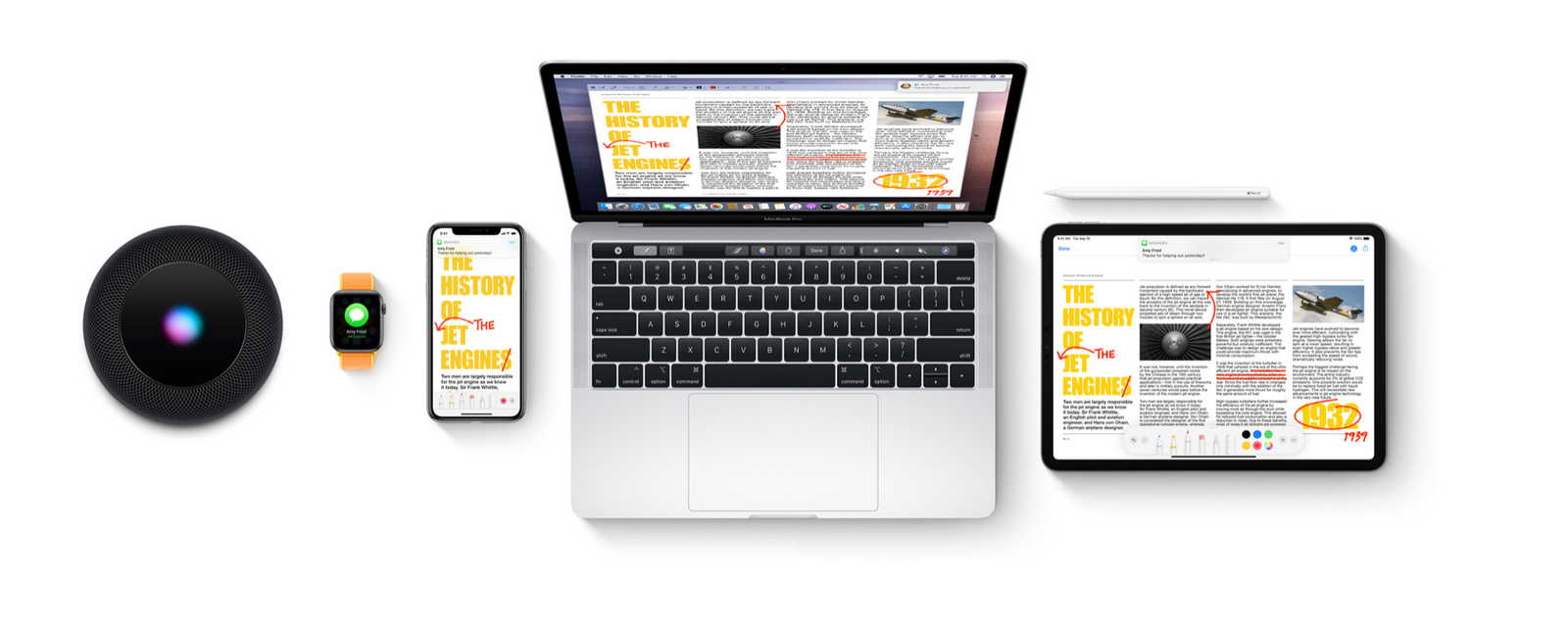


Apple has built one of the most successful consumer technology ecosystems in the world. An iPhone can work seamlessly with a MacBook, Apple Watch, AirPods, iPad, Apple TV and iCloud, creating an experience that many users find difficult to leave. Photos sync across devices, passwords are available wherever needed, calls and messages move between screens, and accessories often connect with almost no effort.
This convenience is real, and that is precisely what makes Apple’s ecosystem so powerful. But it also raises a larger question: when does convenience become lock-in?
The answer is not as simple as calling Apple’s ecosystem a scam. Customers knowingly purchase Apple products and receive genuine benefits in return. The more interesting criticism is that Apple has created a system in which staying becomes increasingly convenient while leaving becomes increasingly difficult.
The Real Strength Is the Ecosystem, Not Just the Individual Device
Apple’s biggest advantage is arguably not any single product. It is the way its products communicate with one another.
A user can copy text on an iPhone and paste it on a MacBook, start an email on an iPad and finish it on a Mac, or move between Apple devices while continuing the same task. Features such as AirDrop, iMessage, FaceTime, Handoff, Continuity Camera, iCloud Keychain, Find My and Apple Pay strengthen this connected experience.
From a consumer perspective, this has genuine value. Technology becomes less complicated because users do not have to constantly think about compatibility, drivers or settings. Apple’s control over both hardware and software also allows the company to optimise the experience across its devices.
For professionals and people who use several devices every day, that convenience can justify paying a premium.
The Problem Starts When Leaving Becomes Difficult
The more Apple products a person owns, the greater the potential switching cost.
Consider someone who has an iPhone, Apple Watch, AirPods, MacBook and iCloud storage. They may also rely on Apple Notes, passwords, Photos, iMessage, Apple Music and other services. Moving to another ecosystem may not necessarily mean losing everything, but it can mean replacing hardware, transferring data, finding alternative services and learning new workflows.
That is the important distinction. Apple does not necessarily need to prevent customers from leaving. If staying is substantially easier than leaving, the ecosystem itself can create customer retention.
This is a classic example of switching costs: the price of leaving is not necessarily a cancellation fee. It can be the loss of convenience, familiarity and compatibility.
Apple’s Ecosystem Is Also a Powerful Revenue Model
There is another dimension to the ecosystem: revenue.
Apple does not simply sell an iPhone and end the relationship with the customer. The initial hardware purchase can lead to spending on iCloud storage, Apple Music, Apple TV+, AppleCare, accessories, apps, subscriptions, AirPods, Apple Watch and other products.
The source material notes that Apple reported approximately $109.2 billion in services revenue in fiscal 2025, with services carrying a substantially higher gross margin than products.
This illustrates why ecosystems matter commercially. A customer who enters through one product can gradually become a customer across an entire portfolio.
The business logic is straightforward: the more integrated the ecosystem becomes, the greater the opportunity for repeat purchases and recurring revenue.
Interoperability Has Become a Bigger Consumer Issue
Apple’s closed ecosystem has also attracted regulatory scrutiny, particularly in the European Union.
The European Commission has designated Apple as a gatekeeper under the Digital Markets Act for services including iOS, the App Store and Safari, with iPadOS later included as well. The regulations require major platforms to provide interoperability in certain circumstances.
In March 2025, the European Commission specified measures requiring Apple to make certain iOS connectivity features available for interoperability with third-party connected devices, including smartwatches, headphones and television products.
The underlying consumer question is important: if a third-party product can technically provide a particular function, should the operating system restrict its access while giving Apple’s own products deeper integration?
Apple has argued that some interoperability requirements could create privacy and security risks. Regulators, meanwhile, have emphasised consumer choice and effective interoperability. Both concerns deserve consideration.
Convenience Should Not Eliminate Consumer Choice
It would be unfair to suggest that Apple customers are simply being manipulated. Many consumers understand the premium they are paying and deliberately choose Apple because they value reliability, integration, support and long-term software updates.
The issue becomes more complicated when convenience turns into unnecessary exclusivity.
A consumer should be able to choose a smartwatch, headphones, cloud service or other accessory based on its features rather than feeling compelled to remain within one company’s ecosystem to preserve basic functionality.
The ideal technology ecosystem should make life easier without making alternatives artificially difficult.
Consumers Can Reduce Their Dependence
Consumers themselves can take several steps to reduce ecosystem lock-in. Using cross-platform services such as Google Photos, Spotify, WhatsApp, Microsoft 365 or independent password managers can make future switching easier.
It is also worth calculating the total cost of ownership, including cloud storage, accessories, repairs, warranties and subscriptions—not merely the price of the original device.
Most importantly, consumers should preserve important photographs, documents and contacts in formats that remain accessible outside a single company’s ecosystem.
The Verdict: A Trade-Off, Not a Scam
Apple’s ecosystem is best understood as a trade-off. It delivers genuine convenience and integration, but that same integration can create strong customer dependence.
Calling it a scam oversimplifies the issue. Apple provides real products and services that customers willingly purchase. At the same time, it is reasonable to question whether the balance between convenience, exclusivity and consumer choice is always fair.
Ultimately, the strongest ecosystem is not necessarily the one that makes leaving impossible. It is the one that gives consumers enough value that they choose to stay—even when they remain free to leave.