




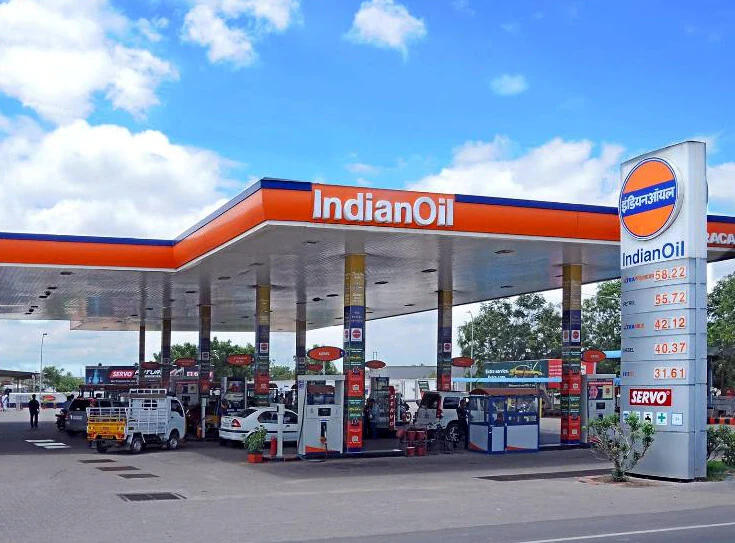


When Narendra Modi stepped into Rashtrapati Bhavan in 2014, he promised “Acche Din” — better days for all Indians. Twelve years later, those better days remain elusive. The numbers tell a brutal story: petrol prices have risen 43%, diesel by 68%, CNG by over 100%, and LPG gas cylinders have nearly doubled in price. The BJP government has failed the general public on the most basic front — keeping essential commodities affordable.
The Price Shock: 2014 vs 2026
Let’s look at the cold, hard facts. In 2014, when the BJP first came to power, petrol averaged around ₹72.43 per litre nationwide. Today, in 2026, petrol has crossed ₹102 per litre in Delhi and ₹106.68 in Mumbai. That’s a staggering 43% increase in 12 years. Diesel tells an even worse story — from ₹56.71 per litre in 2014 to ₹95.20 today — a 67.87% jump.
CNG, which was touted as a cleaner and cheaper alternative for urban commuters, has become a luxury. In Delhi, CNG was ₹38.15 per kg in May 2014. Today, it costs ₹77.09 per kg — more than double, a 102% increase. Mumbai’s CNG jumped from roughly ₹38 to ₹81 per kg. These aren’t minor fluctuations; they’re systematic price ekings that have hollowed out the middle-class budget.
LPG gas cylinders, the lifeline of Indian households, have followed the same trajectory. In 2014, a 14.2-kg domestic LPG cylinder cost around ₹450-₹500. By early 2026, the price has surged to ₹913 in Delhi, ₹912.50 in Mumbai, and ₹939 in Kolkata. That’s nearly a 100% increase in just over a decade. Commercial LPG has seen even steeper hikes, with 19-kg cylinders now costing ₹1,883 in Delhi.
The BJP’s “Loot” of the Common Man
Congress President Mallikarjun Kharge recently slammed the Centre, saying “farmers, small industries and every section of society are bearing the brunt of Bharatiya Janata Party’s (BJP) loot of the country”. The numbers justify this accusation. The Modi government has hiked petrol prices from ₹71.41 per litre in 2014 to ₹102.12 in 2026, while diesel prices climbed from ₹56.71 to ₹95.20.
The NCP (SP) spokesperson Mahesh Tapase called it “economic exploitation,” accusing the BJP of turning fuel prices into a tool to extract money from ordinary citizens already struggling with inflation, unemployment and rising household expenses. “People were promised ‘Acche Din,’ but instead they are dealing with expensive fuel, costly LPG cylinders, rising food prices and an overall increase in the cost of living,” Tapase said.
What Happens When Crude Falls? The Ellusive Relief
Here’s the real question: if fuel prices rise when crude oil prices go up, will oil marketing companies pass on the benefits when crude falls? History answers with a resounding no.
During periods when global crude prices dropped, citizens did not receive any meaningful relief. Instead, the government collected massive revenues through excise duties and taxes. When international crude fell, the BJP government kept pump prices high to maximize tax revenue. But the moment international prices rose even slightly, the burden was immediately shifted onto the public.
In May 2026, India raised petrol and diesel prices by ₹3 per litre — the first hike in four years — saying it aimed to reduce losses for oil companies. This is the same government that claims to protect consumers while simultaneously raising prices. Oil firms are absorbing losses, but the common man bears the brunt through higher transport costs, which then cascade into food inflation, school fees and household budgets.
During the Iran war crisis in March 2026, India cut fuel excise duties by ₹10 per litre to shield consumers from soaring oil prices — but this was a reactive move under pressure, not proactive policy. Even then, oil companies said the cut wasn’t enough, and prices remained high.
The Cascading Effect on Everyday Life
Every fuel price hike is another blow to household budgets. From farmers using diesel for irrigation to MSMEs relying on logistics, from school bus operators to vegetable vendors — everyone pays the “BJP inflation tax”. When petrol and diesel prices rise, vegetable prices increase, transport costs go up, and household budgets collapse. People are being forced to pay more simply to survive.
In West Asia conflict-driven price hikes during May 2026, petrol and diesel increased by ₹3 per litre, CNG by ₹2 per kg, and LPG prices surged amid global crude oil rate spikes. Commercial LPG cylinder prices have nearly tripled in several cities, increasing pressure on households, transport operators and businesses.
The Question for the BJP
The BJP government has failed to answer the simple question: when will fuel companies make fuel cheaper for the public when they receive crude oil at lower prices after the war ends? History shows they won’t. The government will keep taxes high, oil companies will keep margins healthy, and the common man will keep paying.
Twelve years of BJP rule, and the “Acche Din” promise has become “Mehengae Din” — expensive days. Until the Modi government prioritizes the common man’s wallet over revenue collection and corporate profits, Indians will continue paying the price for failed economic policies.
Disclaimer: This is an opinion piece reflecting the author’s views on fuel pricing and government policy.