






This Content Is Only For Subscribers
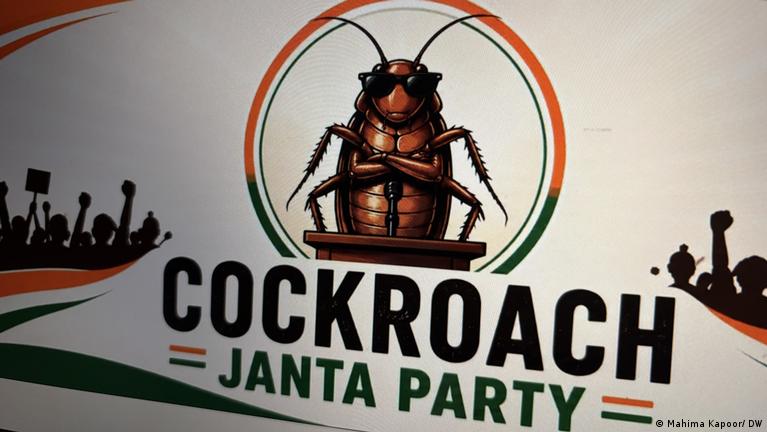
India has always valued free speech, political satire, and the right to question authority. A healthy democracy thrives when citizens can express dissent, critique leaders, and comment on social issues openly. However, there is a critical line between legitimate satire and content that risks destabilizing public order, and the recent rise of the satirical platform “Cockroach Janta Party” raises serious questions about where that line should be drawn.
If online satire begins to fuel anger, polarize communities, or encourage confrontational behavior, it ceases to be harmless entertainment and becomes a potential threat to social stability. That is why many are now calling for the restriction of platforms like Cockroach Janta Party—not to silence creativity, but to safeguard public peace before satire turns into social disruption.
When Satire Crosses Into Provocation
Satire is powerful because it uses humor to expose truth, challenge power, and hold institutions accountable. But when satire becomes a vehicle for constant provocation, mockery of civic institutions, or manufactured outrage, it risks losing its constructive purpose.
In today’s digital environment, viral content spreads faster than facts. A short, provocative post can reach millions within hours, shaping perceptions long before anyone checks its intent or accuracy. If a satirical page consistently amplifies political hostility, mocks social cohesion, or encourages confrontational behavior, it can no longer be treated as a simple joke. It becomes an influence machine.
The concern around Cockroach Janta Party is not about humor itself. It is about the potential for large-scale content to inflame tensions among already sensitive communities. When millions of users engage with content that presents anger as entertainment, the social consequences can be far more serious than anyone intended.
Why Regulation Is Not Censorship
Defenders of free speech often argue that banning such platforms is censorship. That argument deserves respect, but it is incomplete. Regulation is not the same as suppressing thought. Governments have a legitimate responsibility to prevent online platforms from becoming tools of manipulation, misinformation, or public disorder.
When content crosses into incitement, harassment, or deliberate destabilization, free expression is being misused. Democracies protect speech, but they do not have to protect the abuse of speech. If a platform repeatedly triggers public anger or encourages behavior that undermines public peace, restriction becomes a matter of responsibility, not authoritarianism.
This is especially important in a country like India, where social tensions can be easily aggravated. Our society is diverse, politically charged, and highly connected. That combination makes us resilient, but also vulnerable. A campaign that mocks identity, stokes outrage, or pushes a one-sided narrative can cause real-world consequences.
The Impact on Younger Audiences
The rise of pages like Cockroach Janta Party is particularly concerning because of their massive reach among younger users. Young people often consume short, fast-paced content without checking context or verifying intent. If a platform packages political anger as entertainment, it can shape perceptions in dangerous ways.
Over time, satire that constantly attacks institutions can breed cynicism, distrust, and contempt. A society cannot function when every system is portrayed as corrupt, every leader is reduced to a meme, and every disagreement becomes a battlefield. Young users deserve entertainment that educates, not content that fuels division.
A National Security Concern
When officials believe a platform is generating inflammatory content at scale, they are not reacting to a meme. They are responding to a potential risk environment. In a period where online narratives can influence crowd behavior, public sentiment, and institutional confidence, the state must act early rather than regret later.
Waiting until unrest spreads is a failure; prevention is the smarter path. Online platforms have become key players in shaping social narratives. If a satirical page appears to celebrate disorder, glorify confrontation, or invite people into a pseudo-political movement, authorities must ask whether it is still satire or something closer to digital provocation.
Drawing the Right Boundary
The goal of restricting such a platform is not to punish creativity. It is to protect civic peace. A country cannot afford to let outrage merchants dress themselves as comedians while pulling at the seams of public order. Banning a platform, if warranted by evidence, is not an attack on free speech. It is an act of national caution.
Critics may worry that banning one page sets a dangerous precedent. That concern is valid, which is why any action must be transparent, rule-based, and proportionate. But the fear of precedent should not paralyze enforcement. If a platform is genuinely harmful, authorities should not hesitate merely because the account is popular or satirical. Popularity does not confer immunity.
Conclusion: Protecting India’s Social Fabric
India should protect satire, but it should not permit disguised agitation. It should defend debate, but not tolerate digital campaigns that make unrest look fashionable. It should welcome criticism, but not reward platforms that intensify division under the banner of humor.
If Cockroach Janta Party is indeed crossing the line from satire into provocation, then restriction is justified. The goal is not to silence a joke. It is to protect the integrity of public discourse and prevent social unrest. A nation that values peace must also be willing to act decisively against platforms that threaten it.
(The author is the Co-founder and Editor-in-Chief at Prayan Media Network).
Disclaimer: The opinions, beliefs, and views expressed by the various authors and forum participants on this website are personal and do not reflect the opinions, beliefs, and views of Prayan News.