




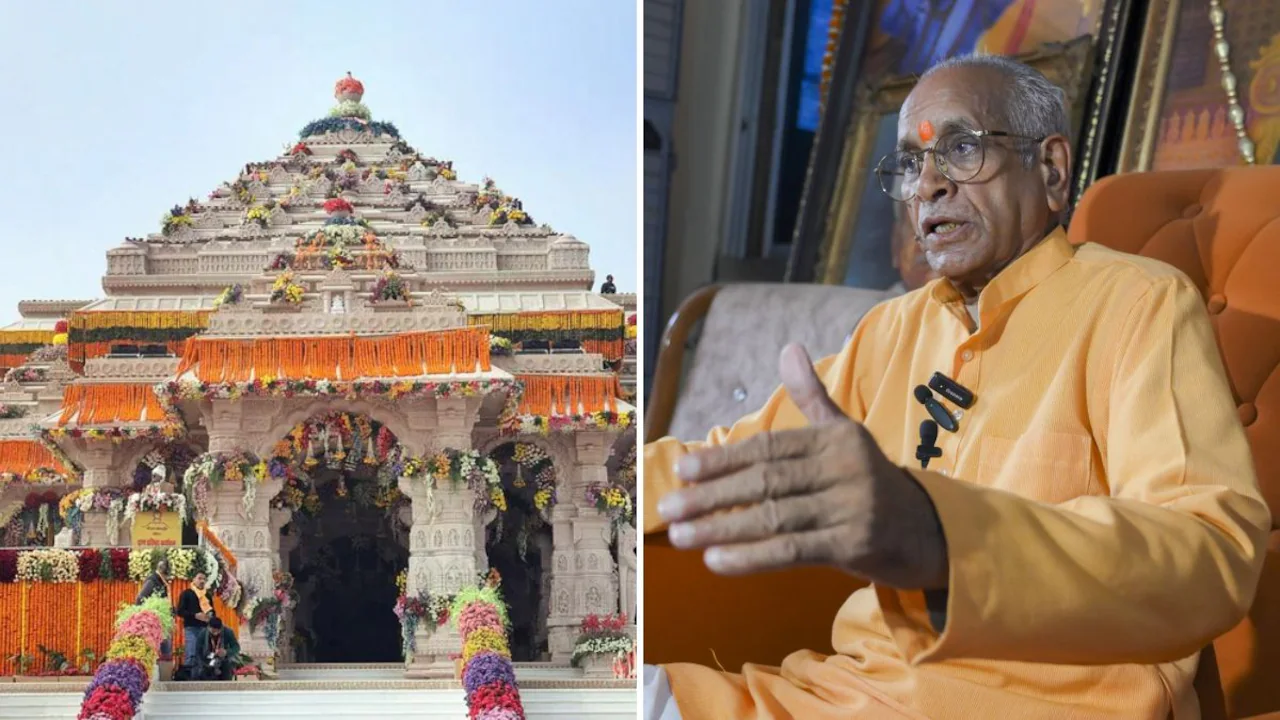


The controversy surrounding the alleged embezzlement of donations meant for the Ram Mandir in Ayodhya has taken a new turn, with the Shri Ram Janmabhoomi Teerth Kshetra Trust facing mounting legal, administrative, and public pressure. While General Secretary Champat Rai and Trustee Dr. Anil Mishra submitted their resignations on June 27, their departure from the trust is far from straightforward.
According to the trust’s governing rules, stepping down from an executive post does not automatically end a person’s association with the organization. Instead, both leaders are expected to continue as lifelong trustees even if their resignations are formally accepted, raising fresh questions about accountability and governance.
Trust Rules Create a Unique Legal Situation
The Shri Ram Janmabhoomi Teerth Kshetra Trust operates under bylaws that distinguish between administrative responsibilities and permanent trustee membership.
Sources familiar with the trust’s constitution say that trustees hold lifelong membership unless extraordinary legal provisions are invoked. This means Champat Rai can resign as General Secretary, and Dr. Anil Mishra can step away from his executive responsibilities, but both will continue to remain members of the trust’s governing body.
An emergency meeting of the trust has been scheduled for July 6, where the remaining trustees will decide whether to accept the resignations. Since Rai and Mishra have recused themselves from the decision-making process, the remaining 12 trustees will vote. Under the trust’s regulations, a two-thirds majority is required to formally approve the resignations from their administrative positions. Even if the resolution passes, their lifelong trustee status is expected to remain unchanged.
Driver Named as Key Accused in Donation Scam
As investigations into the alleged donation theft continue, attention has shifted toward Ramshankar Yadav, also known as Tinnu Yadav, who worked as Champat Rai’s personal driver.
According to sources close to Rai, he has maintained that Yadav exploited his trusted position to gain access and allegedly orchestrate the financial fraud without his knowledge. Rai has reportedly argued that once Yadav realized investigators were closing in, he attempted to politicize the issue by leaking information to a local Samajwadi Party leader in an effort to divert attention.
Police have already arrested eight individuals in connection with the alleged scam. Alongside Ramshankar Yadav, those taken into custody include Avinash Shukla, Anukalp Mishra, Lav Kush Mishra, Manish Kumar Yadav, Karunesh Pandey, Ramashankar Mishra, and Subhash Srivastava. Investigators continue to examine financial records and the movement of temple donations to determine the full extent of the alleged embezzlement.
Lawyers Demand FIR Against Senior Trust Officials
The controversy has also triggered growing legal pressure from the Faizabad Bar Association, which has openly questioned the accountability of the trust’s senior leadership.
The association has demanded that police register an FIR naming Champat Rai, Dr. Anil Mishra, and temple construction in-charge Gopal Rao as part of the investigation.
A delegation of lawyers has announced plans to approach the Ram Janmabhoomi Police Station to press for action. They have warned that if police refuse to include the senior officials in the complaint, they will move the court seeking directions for the registration of a criminal case.
The lawyers argue that a comprehensive investigation should examine the role of all individuals responsible for overseeing temple administration and financial management.
July 6 Meeting Could Shape the Trust’s Future
The emergency meeting scheduled for July 6 is expected to be one of the most significant moments in the trust’s recent history. Apart from deciding the fate of the resignations, the board will likely discuss measures aimed at restoring public confidence and strengthening financial oversight. Given the national importance of the Ram Mandir project, the trust now faces the challenge of balancing legal obligations with the expectations of millions of devotees. The outcome of the ongoing police investigation and any future court proceedings could have a lasting impact on the trust’s administration and public image.
A Test of Transparency and Accountability
The Ram Mandir has become a symbol of immense religious and cultural significance in India. As a result, allegations involving the management of public donations have attracted widespread attention.
While the investigation is still underway and no court has determined the culpability of the trust’s senior officials, the controversy has intensified demands for greater transparency and institutional accountability.
The decisions taken in the coming days both by investigators and the trust itself—are likely to determine how the organization navigates one of the most challenging periods since its formation.