






The Trump administration revoked the visa of a Chinese journalist working for the state-run news agency Xinhua in the United States in what many believe to be a retaliation to the expulsion of a New York Times (NYT) correspondent by China.
Beijing reportedly expelled Vivian Wang, a Chinese correspondent for The New York Times, over an interview with the Taiwanese President Lai Ching-te in the outlet’s DealBook Summit 2025. The host Andrew Ross Sorkin called Taiwan a country and President Lai spoke against China’s aggression towards Taiwan, stating “Taiwan will do everything necessary to protect itself”. However, Wang had no role in the event.
Beijing considers Taiwan a “breakaway province” while the island operates as a fully democratic and self-governing entity with its own constitution and military.
Following confirmation of the Xinhua journalist’s visa revokement, The New York Times clarified that the newspaper does not ask governments to cancel media credentials or interfere with the work of any journalist. It issued a statement on Friday, calling for the reinstation of Wang as a credentialed journalist in China and appealed to both nations to “reverse this deterioration in journalist access”.
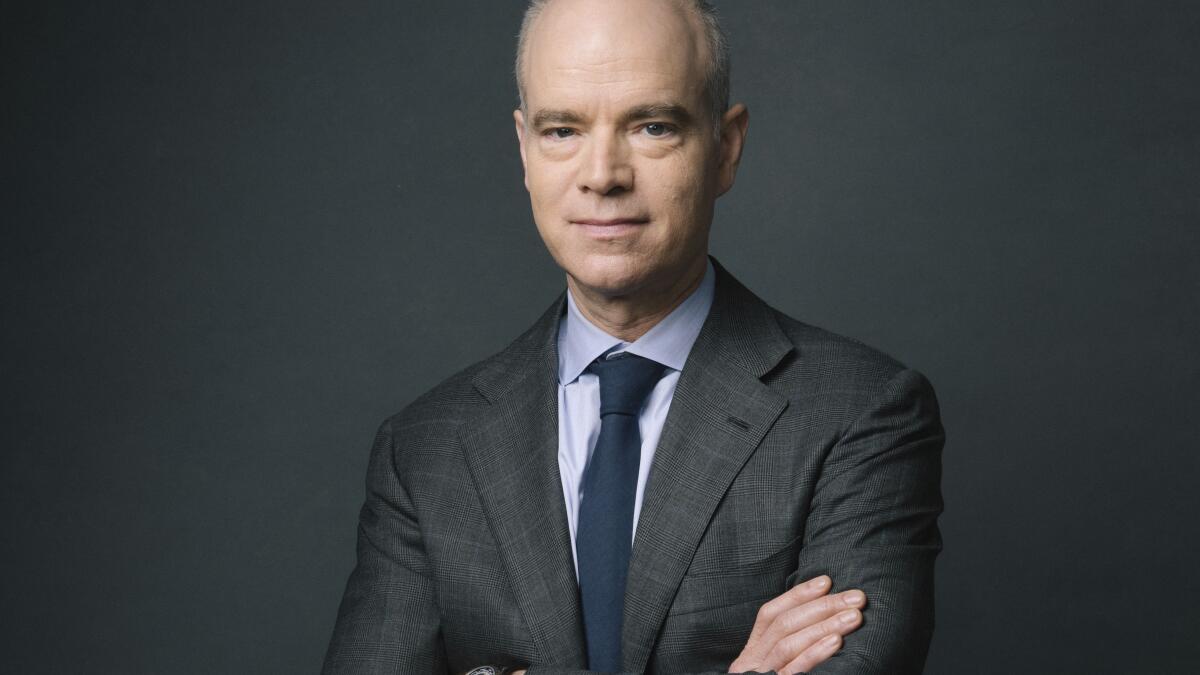
NYT’s Executive Editor Joseph Kahn said in a statement published on the paper’s corporate website, “The Chinese government’s decision to expel Vivian Wang is wrong. Her expulsion will make it even harder for our global audience to get accurate, independent and in-depth reporting about the world’s second largest economy at a critical time.”
U.S media presence in China had already been dwindling after previous incidents of disputes over journalistic credentials.
Kahn wrote, “The number of correspondents from American media outlets allowed to work in China has now fallen to an alarmingly low level, at a time when the need for people everywhere to understand China is greater than ever.”
The Chinese embassy in Washington has not yet responded to the situation.