




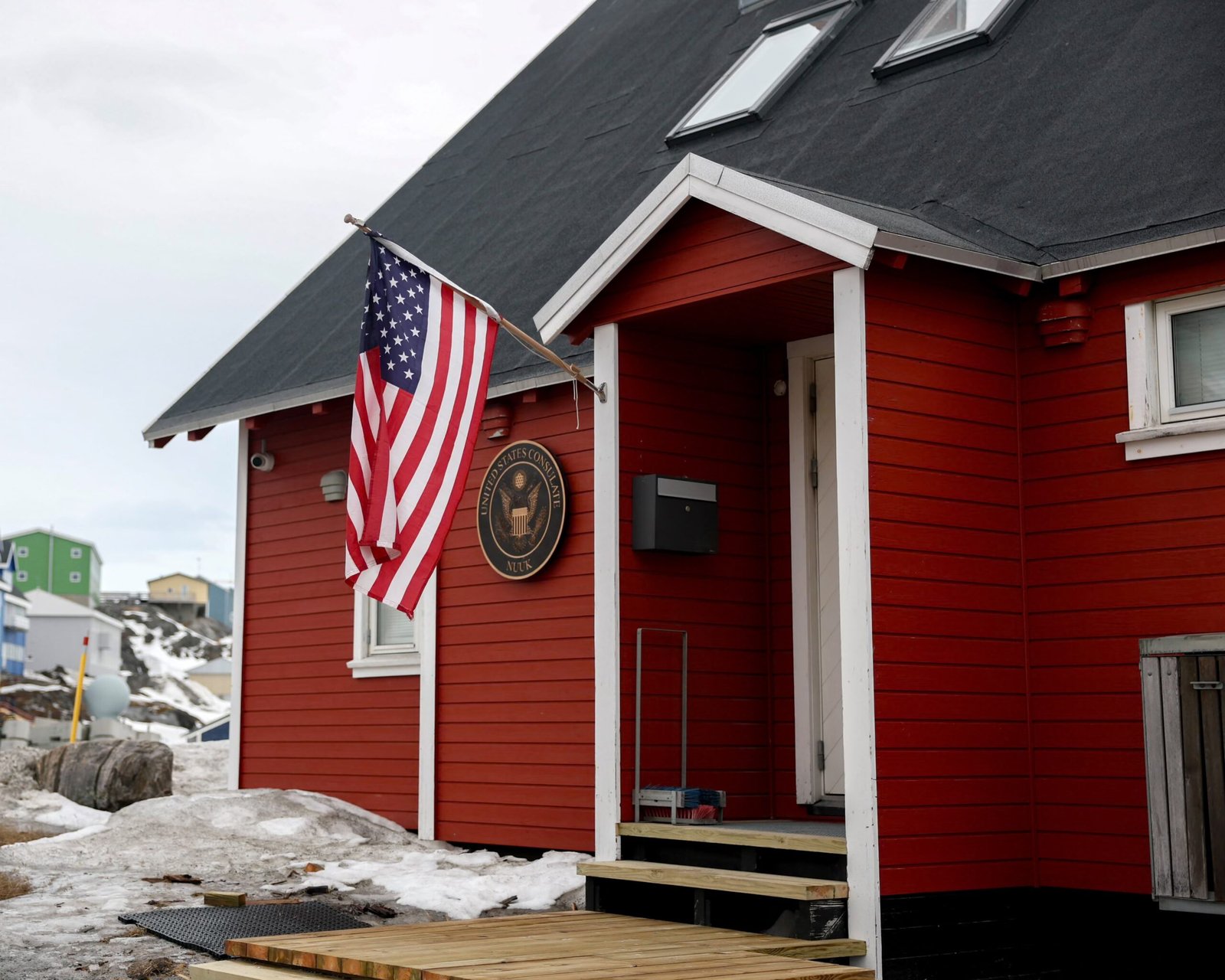


US President Donald Trump has announced that Washington has reached an Arctic security agreement with Denmark and Greenland, describing the proposed pact as “very important, historic, and special.” However, the full details of the arrangement have not yet been made public, and statements from Danish and Greenlandic leaders indicate that the deal will not amount to a US takeover of the strategically important Arctic territory.
Trump said the agreement would give the United States permanent control over security-related matters and other American requirements in Greenland. He also said the US would begin developing a larger military presence in an appropriate part of the island.
Greenland, a self-governing territory within the Kingdom of Denmark, has become increasingly significant in global geopolitics because of its location between North America and Europe, its proximity to Russia and the Arctic, and its potential mineral resources. The island is also becoming more strategically important as melting Arctic ice opens new sea routes and intensifies competition among major powers.
However, Denmark and Greenland have stressed that the proposed agreement will safeguard their sovereignty and political rights.
A statement issued by the Danish Prime Minister’s Office said Denmark, Greenland and the United States are expected to sign an agreement on strengthened security in the Arctic and North Atlantic region during the United Nations General Assembly in New York next week. The statement said the agreement would take effect only after the required parliamentary procedures are completed.
Danish Prime Minister Mette Frederiksen said the agreement would strengthen common security in the Arctic and North Atlantic and would be beneficial for NATO and Europe. At the same time, she emphasised that the arrangement recognises “the sovereignty and territorial integrity of the Kingdom and the Greenlandic people’s right to self-determination.”
Greenland Prime Minister Jens-Frederik Nielsen also welcomed the expected pact, saying it would strengthen the security of Greenland, the Kingdom of Denmark, the United States and the Western Alliance. He said the agreement recognises Greenland’s interests and its role in international cooperation.
The comments suggest that the agreement may expand security cooperation rather than change Greenland’s political status. The US already maintains a military presence on the island through the Pituffik Space Base, formerly known as Thule Air Base. The base has played a major role in missile warning, space surveillance and Arctic defence since the Cold War.
Trump has repeatedly argued that the United States needs greater control over Greenland for economic and national-security reasons. During his first term, he openly explored the possibility of purchasing the territory from Denmark. Denmark rejected the idea, saying Greenland was not for sale.
In his second term, Trump’s comments on Greenland have again created tension between Washington and Copenhagen. His statements about the possibility of acquiring the territory drew criticism from Danish and Greenlandic political leaders, who maintained that Greenland’s future must be decided by Greenlanders themselves.
The latest development comes at a politically important time for Trump, with the US midterm elections approaching in November. The White House may present the Arctic agreement as a major foreign-policy achievement, especially as the administration faces domestic political pressure over the Iran war.
Trump said the new arrangement would prevent US adversaries from establishing military bases, building a military presence or making sensitive investments in Greenland without Washington’s written approval. However, it remains unclear how such provisions would work in practice and whether Denmark and Greenland have accepted the same interpretation of the agreement.
The proposed pact will be closely watched by NATO allies, Arctic nations and global powers with interests in the region. Russia and China have both increased their focus on the Arctic in recent years, while Western governments have expressed concern over military activity, critical-mineral investments and emerging shipping routes in the region.
For Denmark and Greenland, the challenge will be balancing stronger security cooperation with the United States while protecting sovereignty and local decision-making. Greenland has a population of around 56,000 people and has consistently shown strong resistance to becoming part of the United States.
As the three governments prepare to sign the agreement at the UN General Assembly, the central question will be whether the final text confirms a genuine security partnership or gives Washington broader influence over the island’s future.