






The United Nations General Assemby (UNGA) voted on Wednesday to support a landmark ruling from the International Court of Justice (ICJ), stating that nations have a legal responsibility to act to prevent the worsening of the climate crisis.
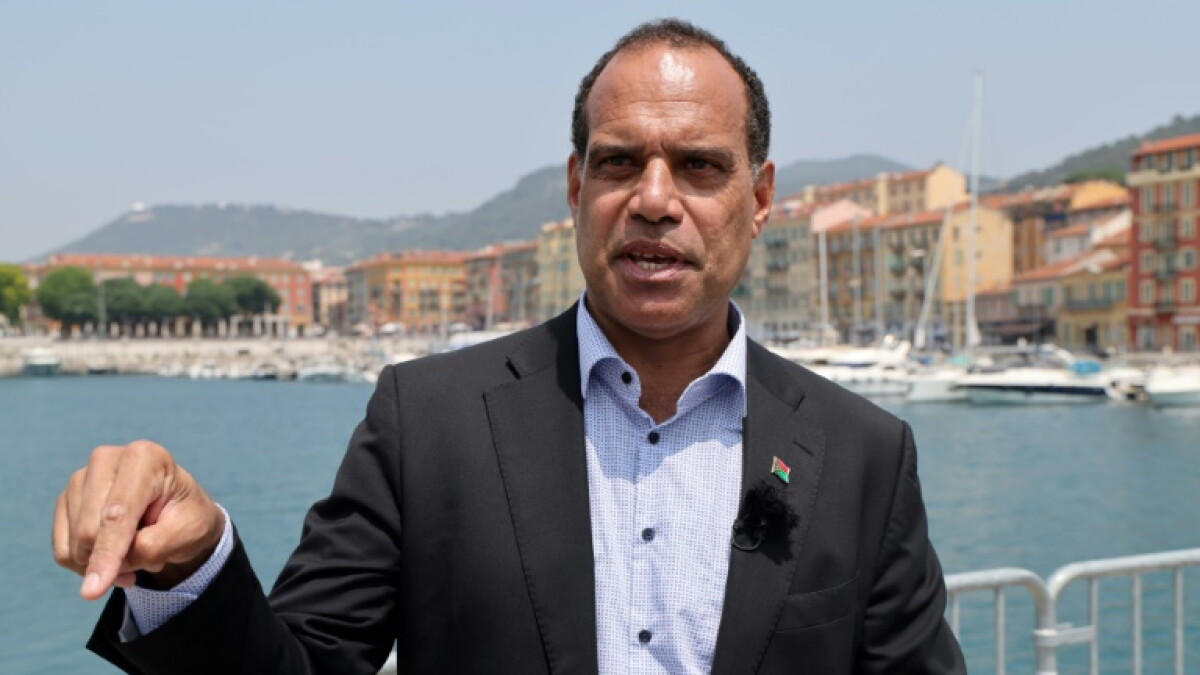
Vanautu’s Minister for Climate Change Ralph Regenvanu, who led the cause, described the resolution as a victory for “communities on the frontlines of the climate crisis”.
“Today the international community affirmed that climate change is not only a political and economic challenge, but a matter of law, justice, and human rights,” he said in a statement “For vulnerable countries like Vanuatu, this resolution is deeply significant because it confirms that no State is above its obligations to protect people, future generations, and our planet.”
The ICJ made the ruling in July last year, where it found that states have a legal obligation to act on the “existential threat” of climate change. It was the biggest case to be considered by the court’s 15 judges, with a review of tens of thousands of pages of written submissions and two weeks of oral arguments before giving the verdict.
More than two-thirds of the UN member states (141) voted in favour of the resolution on Wednesday, while eight voted no and 28 abstained. Belarus, Iran, Israel, Liberia, Russia, Saudi Arabia, the United States, and Yemen were the nations who voted against the resolution.
Al Jazeera had reported on February that the United States sent a diplomatic cable pushing the UN members to say no to the proposal.
“We are strongly urging Vanuatu to immediately withdraw its draft resolution and cease attempting to wield the Court’s Advisory Opinion as a basis for creating an avenue to pursue any misguided claims of international legal obligations,” read a copy of the cable, according to the outlet.
Wesley Morgan, a member of the Australian nonprofit Climate Council, celebrated the resolution in a statement.
“This landmark resolution is a massive victory for Vanuatu and the Pacific leaders who have spent decades fighting for survival on the frontlines of the climate crisis and a warning for Australian governments,” said Morgan “For far too long, fossil fuel heavyweights have treated climate action as a political choice, but the UN General Assembly has now confirmed it is a binding legal duty,”