




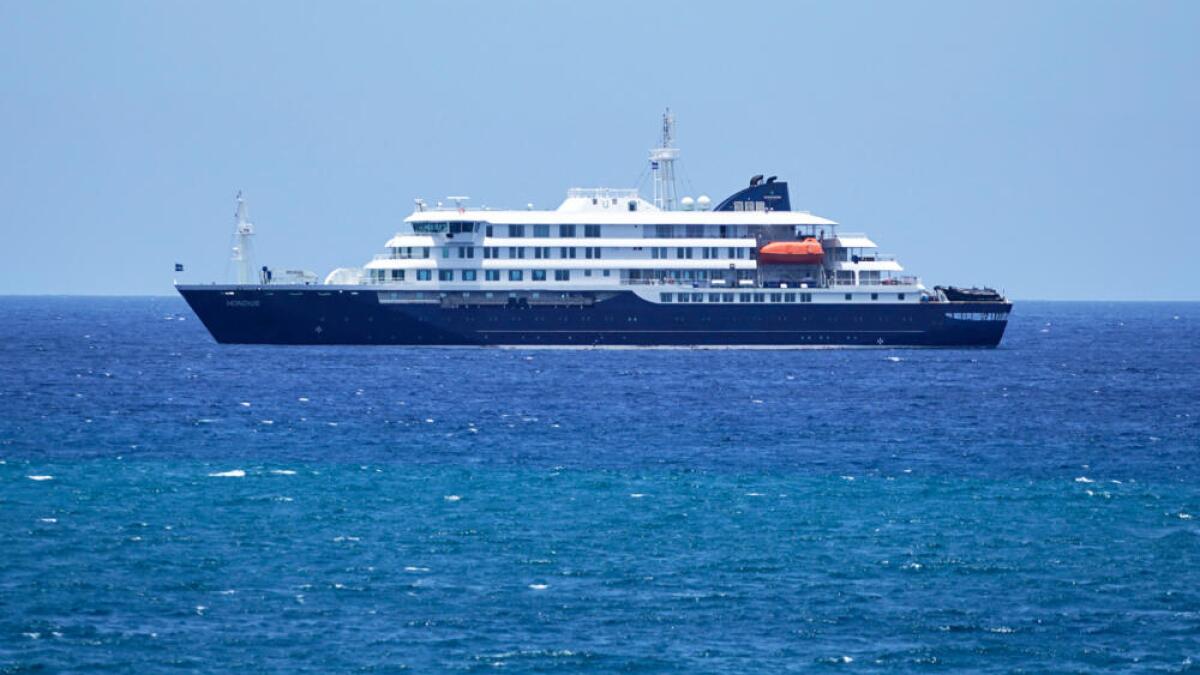


As the suspected hantavirus outbreak in a Netherlands-based cruise ship is raising global health concerns, WHO hosted a media briefing on Thursday to address questions regarding the virus.
Dr. Maria Van Kerkhove, Director of Epidemic and Pandemic Management, clarified that the virus was different from covid and influenza as it spreads differently.
She also added, “We currently have no symptomatic passengers or crew onboard. In past outbreaks of Andes virus, human-to-human transmission primarily occurred among close contacts.”
Dr. Abdirahman Mahamoud, Director at the Alert and Response Coordination Department of the WHO’s Emergencies Health Programme, recalled a similar incident around 7 years ago.
“We had a similar situation in Argentina in 2018 – 2019, where a symptomatic individual attended a social gathering that led to a lot of people getting infected. We are in a similar situation right now, with a cluster in a confined space and close contact,” he said.
He also urged people to follow public health measures to stop the virus from spreading.
“If we follow public health measures, with contact tracing and isolation, we can break this chain of transmission. It doesn’t need to be a large epidemic. It has happened in a specific confined setting where people are interacting in a prolonged close contact,” warned Dr. Mahamoud.
The officials of the WHO put growing fears of a possible pandemic to rest, with Dr. Van Kerkhove assuring, “This is not coronavirus. This is a very different virus that has existed for quite some time. This is not the beginning of a Covid pandemic; this is an outbreak we are observing on the ship, occurring in a confined area.”
“This is not the same situation we faced six years ago. It does not spread in the same way,” she further added.
Unlike Covid-19, hantavirus typically spreads through contact with infected rodent secretions such as urine, droppings, or saliva. The only type to pass between humans is the Andes strain which requires very close, intimate contact.