




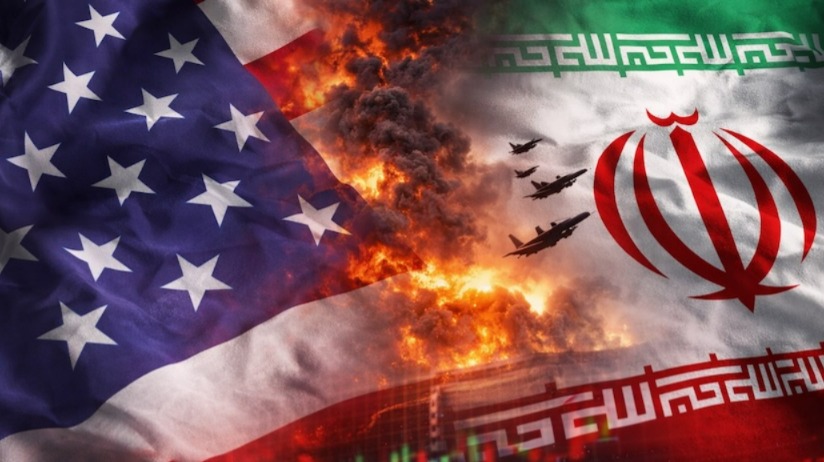


The latest round of high-stakes negotiations between the United States and Iran concluded without a breakthrough, underscoring the enduring complexities that continue to define relations between the two adversaries. The talks, reportedly held in Pakistan, ended after nearly 21 hours of deliberations, with both sides acknowledging limited progress but failing to reach a final agreement.
Iranian officials attributed the breakdown to what they described as “excessive demands” from Washington. Speaking after the talks, Iranian Foreign Ministry spokesperson Esmaeil Baqaei maintained that while differences remain, diplomatic engagement is far from over. “Diplomacy never ends,” he said, signaling Tehran’s willingness to continue negotiations despite the setback.
On the American side, Vice President J. D. Vance declined to provide detailed insights into the sticking points but confirmed that the nuclear issue remained central to the impasse. “We need to see an affirmative commitment that they will not seek a nuclear weapon,” he stated, emphasizing Washington’s insistence on concrete assurances and verifiable limits on Iran’s nuclear capabilities.
Nuclear Issue at the Core
At the heart of the deadlock lies the longstanding dispute over Iran’s nuclear program. The United States has consistently pushed for stringent safeguards to ensure that Tehran does not develop nuclear weapons or acquire the capability to do so in a short timeframe. Iran, however, maintains that its nuclear activities are strictly for peaceful purposes and has resisted what it views as intrusive or disproportionate conditions.
Officials familiar with the discussions indicated that while consensus was reached on several aspects, “two to three critical issues” remained unresolved. These are widely believed to include uranium enrichment limits, inspection mechanisms, and timelines for compliance—issues that have historically derailed similar negotiations, including the Joint Comprehensive Plan of Action.
Persistent Trust Deficit
Beyond technical disagreements, a deep-rooted trust deficit continues to hinder progress. Relations between Washington and Tehran have been marked by decades of hostility, sanctions, and policy reversals. Iran remains wary of entering into an agreement that could be undone by future US administrations, while the United States remains skeptical about Iran’s long-term commitments.
This mutual distrust has significantly narrowed the scope for compromise, even during prolonged negotiations. Despite the marathon 21-hour session, neither side appeared willing to concede on core strategic concerns.
Economic and Global Implications
The failure of the talks carries significant implications beyond bilateral relations. Tensions involving Iran, a key player in global energy markets, have already contributed to volatility in oil prices. By late March, Brent crude had surged to approximately $118 per barrel, reflecting market concerns over potential supply disruptions. In the United States, gasoline prices climbed to around $4 per gallon, adding to inflationary pressures.
Analysts note that continued uncertainty surrounding US–Iran relations could further destabilize energy markets, particularly if diplomatic efforts stall or tensions escalate.
Limited Progress, Open Channels
Despite the absence of a deal, both sides acknowledged that progress was made on certain fronts, suggesting that negotiations were not entirely unproductive. Diplomatic observers view this as an indication that communication channels remain open, providing a foundation for future talks.
Baqaei’s remarks reinforcing the continuity of diplomacy highlight a broader reality: while agreements may falter, negotiations between the United States and Iran are likely to persist, driven by mutual strategic interests and international pressure.
Outlook
The collapse of the latest round of talks reflects the enduring challenges of reconciling security concerns with national sovereignty. With both sides firmly entrenched in their positions, any future agreement will require not only technical compromises but also a gradual rebuilding of trust.
For now, the outcome serves as a reminder that in geopolitical negotiations of this magnitude, progress is often incremental—and setbacks, while significant, are rarely final.