




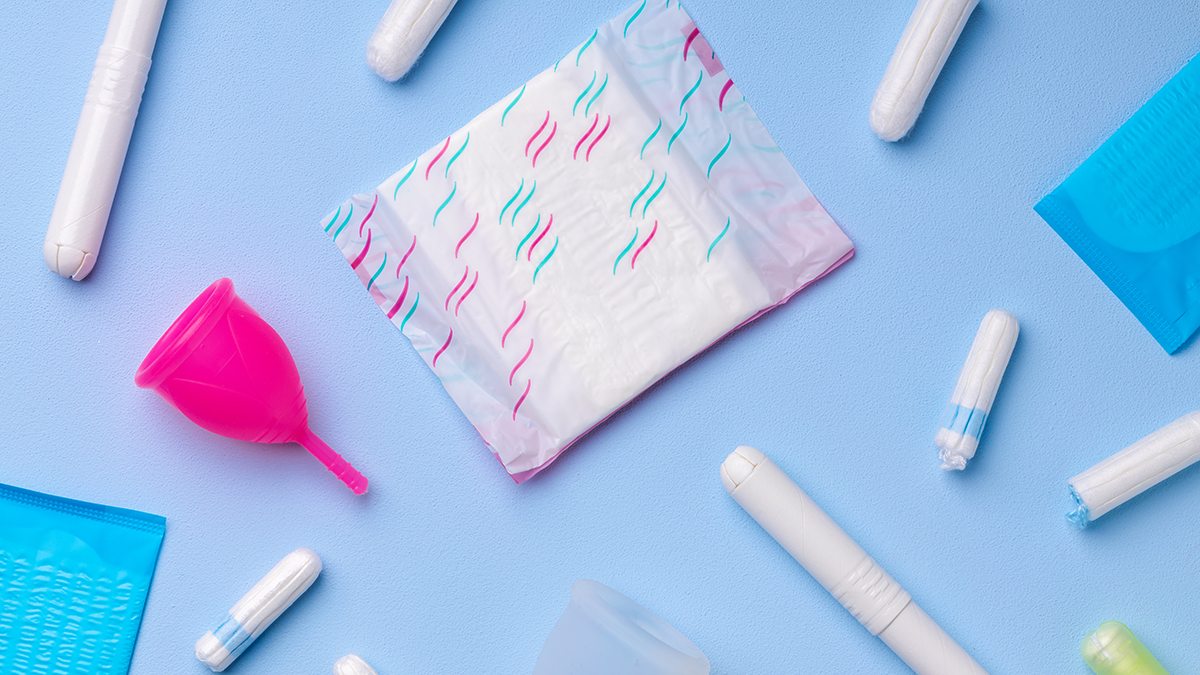


Pakistan Information Minister Attaullah Tarar announced the abolishment of the controversial “period tax” or “pink tax” on women’s hygiene products and the decision to make contraceptives tax-free.
“Period Tax” in Pakistan is the additional charge the government levies on women’s hygiene products, including sanitary napkins, tampons, and other related products. Women’s rights activists and groups in Pakistan have criticised the tax as an additional financial burden on women, which meant an 18 per cent sales tax on the products. UNICEF had assessed that the tax hiked the retail price of sanitary pads by 40 per cent and made them inaccessible to many women and girls, especially from rural and underdeveloped areas.
According to Arab News, Tarar told the National Assembly on Sunday, “Regarding women, it was a massive demand in this country to end the pink tax. Today, the tax on their hygiene products has been reduced to 0 percent from 18 per cent.”
Finance Minister Muhammad Aurangzeb had said on Friday that sanitary productes were “indispensable for women’s health, dignity and full participation in social activities”.
Pakistan makes contraceptives tax-free
Tarar also announced the decision to make contraceptives tax-free for the upcoming fiscal year, citing population as a serious challenge in the country.
“This budget is a budget for an era where we are entering a period of prosperity,” he said.
“Pakistan is the fifth-largest country in the world in terms of population,” said Aurangzeb “Family planning is a top priority of the government.”
Advocates of reproductive rights in the country agreed that the decision could destigmatise social taboos around sexual health.
Mahwari Justice, an organisation fighting for women’s menstrual equity and reproductive rights in Pakistan, acknowledged the move.
Pakistani women’s rights activist and one among TIME magazine’s “Women of the Year” in 2026, Mahnoor Omer, also praised the announcement. Omer and fellow-lawyer Ahsan Jehangir Khan had sparked national discourse in the country after taking the government to court in a landmark legal case pushing lawmakers to remove the “period tax” and categorise menstrual products as essential goods, rather than luxury items.