




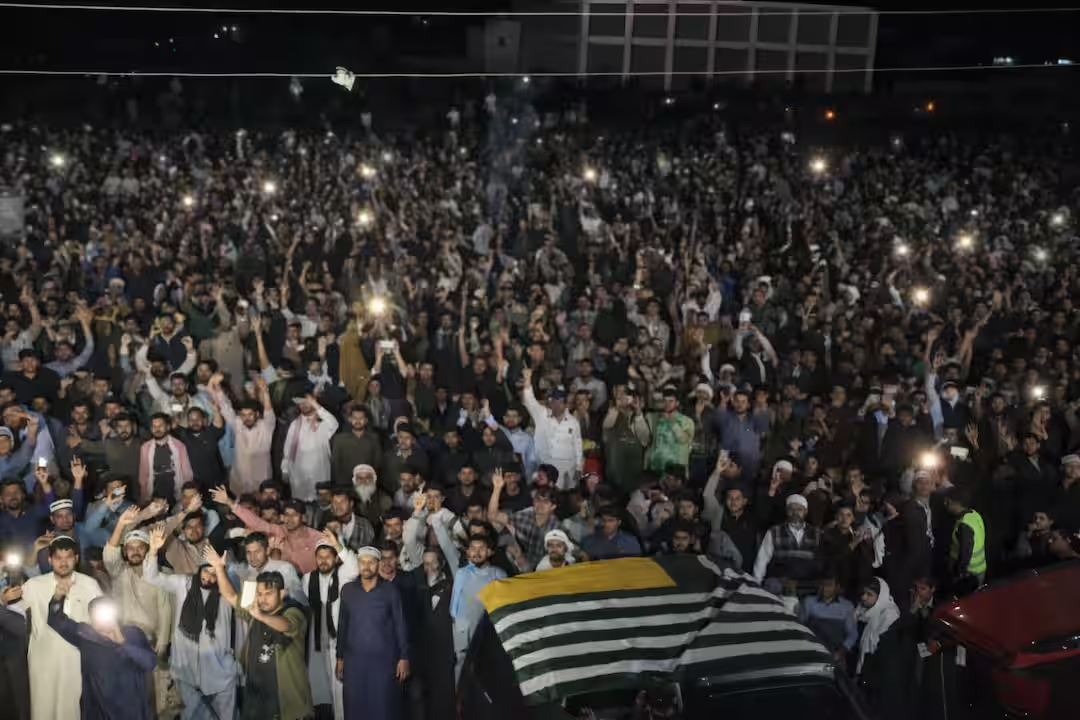


A recorded phone call from Pakistan-occupied Jammu and Kashmir has drawn attention to growing public anger over the region’s unrest, with a resident sharply accusing local authorities of hiding the true scale of the crisis. The exchange, reportedly accessed by ABP News, reflects the widening gap between official messaging and the mood on the ground.
In the audio, the caller confronts a PoJK Police helpline operator and questions why authorities are presenting a picture of normalcy while protests and disturbances continue in several areas. He alleges that the police and government are misleading the public and suppressing information about the situation in the region.
The man also points to the disabling of comment sections on the police force’s social media accounts, arguing that such a move raises questions about transparency. He insists that the situation remains tense, particularly in areas like Rawalakot, which he says are still facing serious unrest.
The caller goes further, alleging that civilians have been killed and that security forces have opened fire on protesters. He claims that hundreds of people may have died during the unrest, though those assertions were made during the call and have not been independently verified.
The audio also captures the difficulty faced by the police operator, who repeatedly says she does not have information about the incidents the caller is describing. As the conversation grows more heated, she attempts to calm him and explains that she is the duty officer handling the helpline.
At one point, the caller asks to speak with a male officer, but the operator responds that she is the officer currently on duty. Her repeated efforts to defuse the exchange highlight the strain on officials amid a fast-moving and sensitive situation.
The recording has resonated widely because it offers an unfiltered glimpse into public frustration in PoJK at a time when protests and unrest continue to dominate the region. It also underscores the challenge facing authorities as they attempt to maintain control over the narrative while sections of the population openly question their credibility.
Beyond the immediate confrontation, the call reflects a deeper crisis of trust. When residents no longer believe official statements, even routine helpline interactions can become flashpoints for political anger and social unrest. The episode suggests that the situation in PoJK is not only a law-and-order challenge but also a communication failure, with authorities struggling to convince people that conditions are under control.