




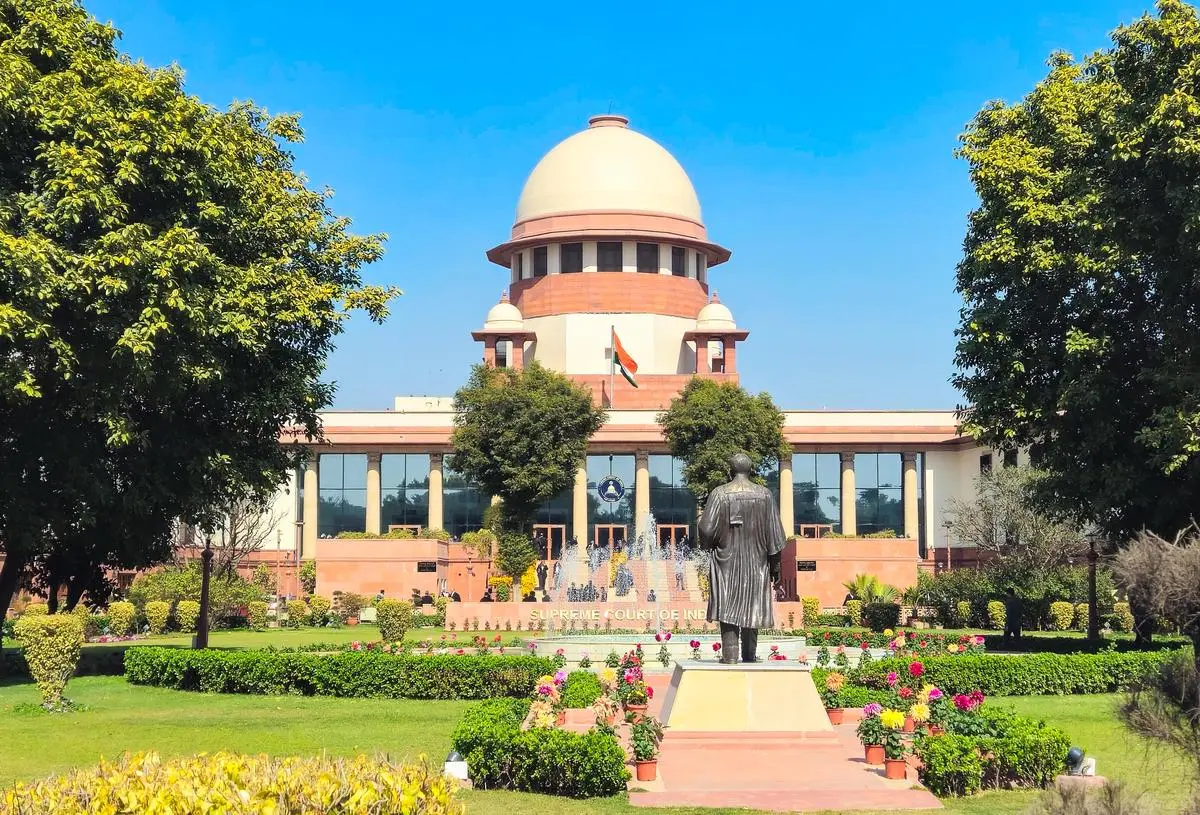


Last week, when the Supreme Court refused to entertain an urgent plea for a court-monitored investigation into alleged irregularities in donations to the Ayodhya Ram Mandir, the bench’s observation that “heavens are not going to fall” if the case is heard after the vacation became a headline and a hashtag. The comment set the context for the immediate legal conclusion but its reverberations transcend beyond the court calendar. The story reveals an enduring governance blind spot at the crossroads of mass devotional fundraising, institutional trust and financial responsibility in India’s religious sector.
In India, religious offering is no little money. Every year, millions of devotees send cash, gold, jewels and digital gifts to temples, trusts and festivals, and the cumulative flows impact on local economies, real estate purchases, political patronage and social services offered by religion institutions. The Ayodhya temple has become the pivot of this ecology, both as a symbol and a logistical operation. The current charge that money may have been misused has caused public disquiet exactly because donors want respectful stewardship, not murky administration.
A governance deficit, not an isolated theft
The immediate fight over stolen cash and valuables is an operational failing – poor documentation, inadequate chain‑of‑custody protocols and patchy reconciliation. But more generally, the episode illustrates structural deficiencies that are repeated in many religious institutions: fuzzy legal forms, fragmented regulatory regimes, volunteer-run collecting methods, and erratic auditing standards that make systematic control difficult. Religious giving, unlike corporate or public-sector earnings, is generally channeled informally — into gift boxes, to priests, to local committees — and not usually subject to clear, regulated accounting.
This structural gap presents three foreseeable dangers. First is concentration risk – a small number of caretakers or functionaries effectively hold huge quantities of unbanked assets. Second, opacity risk: the lack of real-time receipts, audit trails or independent custodianship permits conflicts to become forensic, rather than administrative concerns. Third, reputational contagion: a single high profile complaint may quickly undermine public confidence in a number of organizations, leading to political and judicial actions that might have been averted by regular inspections.
Why urgent judicial intervention became political oxygen
The petitioners urged for a CBI‑led SIT and judicial oversight, citing lack of trust in a local police inquiry and the necessity for an impartial mechanism to safeguard delicate evidence. That requirement addressed a larger societal sensitivity: When devotion turns into a pecuniary transaction, contributors want the greatest standards of probity. For plaintiffs and civil society players, a prompt intervention shows that the state takes religious contributions as seriously as any other issue of public interest. For courts, however, the need for haste has to be weighed against docket management and legal criteria for special relief — thus the bench’s unwillingness to list the issue during the holiday weeks and the brief comment, “heavens are not going to fall”.
That judicial approach is appropriate as a matter of case management but is at danger of a political optics issue. In an atmosphere of weak trust and rapid dissemination of rumors, apparent slowness, even procedural caution, might be interpreted as institutional apathy. The media cycle surrounding Ayodhya assures that every procedural decision will be seen through a political lens; courts therefore work under the dual demands of law and popular emotion. The message for plaintiffs and administrators is loud and clear: without institutions that build in strong preventative systems, every complaint will, sooner or later, get past the gatekeepers who might have nipped it early.
Practical fixes that have not been debated enough
Most of the emphasis to now has been about the need of a CBI inquiry and the optics of delayed hearing dates. Less well publicized are practical, low politics improvements that will lessen the chances of similar crises:
Digital first principles and standardised receipting All donation points – counters, boxes, internet portals – should provide machine-readable receipts, aggregated in a central ledger on a daily basis. That decreases the temptation to skim money off the top and produces an audit trail that is much tougher to contest. There are instruments existing in the digital world that are cheap compared to the amounts involved.
Gold and jewelry For high value offers, items should be recorded, photographed and stored in sealed, tamper-evident custody with third-party banks or certified vaults until official valuation and reconciliation is completed. That provides a chain of custody that courts and the public can respect.”
Large trusts, disclosure of mandatory external audit: Statutory audit and yearly public disclosure should be made required, if a religious trust is dealing with contributions at the national level or accepting high-value gifts. A uniform financial statement designed for non-profit religious organizations would let contributors, regulators, and the public to assess stewardship impartially.
Local grievance redressal cells and fast track forensic teams, Instead of instant politicisation, a required, time-limited local escalation mechanism (with impartial forensic accountants) may settle conflicts within legal timeframes and safeguard evidence without bringing in national authorities.
These are not abstract innovations, but process designs that diffuse the triggers for dramatic judicial or political interventions. They need modest nudges from the statute and leadership from the big trusts to develop sectoral standards to get them done.
The political economy of accountability
Reforms confront loyalties. A lot of trusts depend on volunteer sevaks, local bosses and clerics whose social power is tied up with control over fundraising methods. Proposals for professionalization or third-party custody might be opposed as challenges to religious autonomy. That conflict is at the core of why governance improvements in church finance are politically fraught: they rewire not just accounting, but power dynamics on the ground.
The way ahead demands a dual approach: leading trusts must publicly test excellent practices and regulators must establish proportionate laws that preserve religious freedom while safeguarding contributors’ property rights. The underlying case is ethical as well as legal – spiritual organizations rely on permission, and consent is removed when donors perceive mismanagement.
Reporting beyond the headlines
Journalists and editors covering the Supreme Court’s scheduling decision should shift from transaction-level thriller storylines to system-level reporting: trace the flow of money from devotees to vaults, pinpoint chokepoints where accounting breaks down, and compare huge trusts with transparent counterparts. Explainer journalism that reveals readers the nuts and bolts of how temples raise money, from anonymous contribution boxes to specialized web portals, will permit more informed public discourse than cycles of indignation and delay.
Institutional Reform as the Best Protection of Devotion
The Supreme Court’s declaration that “heavens are not going to fall” is a limited procedural ruling, but it should not obscure the underlying stakes. The true test, whether or whether the highest court fast-tracked the case, would be if religious organizations, regulators and civic actors use the opportunity to improve governance surrounding devotional contributions. A theology of responsibility that makes openness a devotional practice would save the legal spectacle of the future, and preserve faith and loyalty for millions who contribute in trust.
Will a CBI inquiry provide closure? Perhaps. But investigations are pricey and treatments are delayed. The lasting solution is structural: make stewardship automatic, public and verifiable, so that donors anxious about their money don’t have to turn to courts or hashtags first. In that view, the difference between heaven and human systems is simple: institutions earn and record the public’s faith and loyalty persists.