




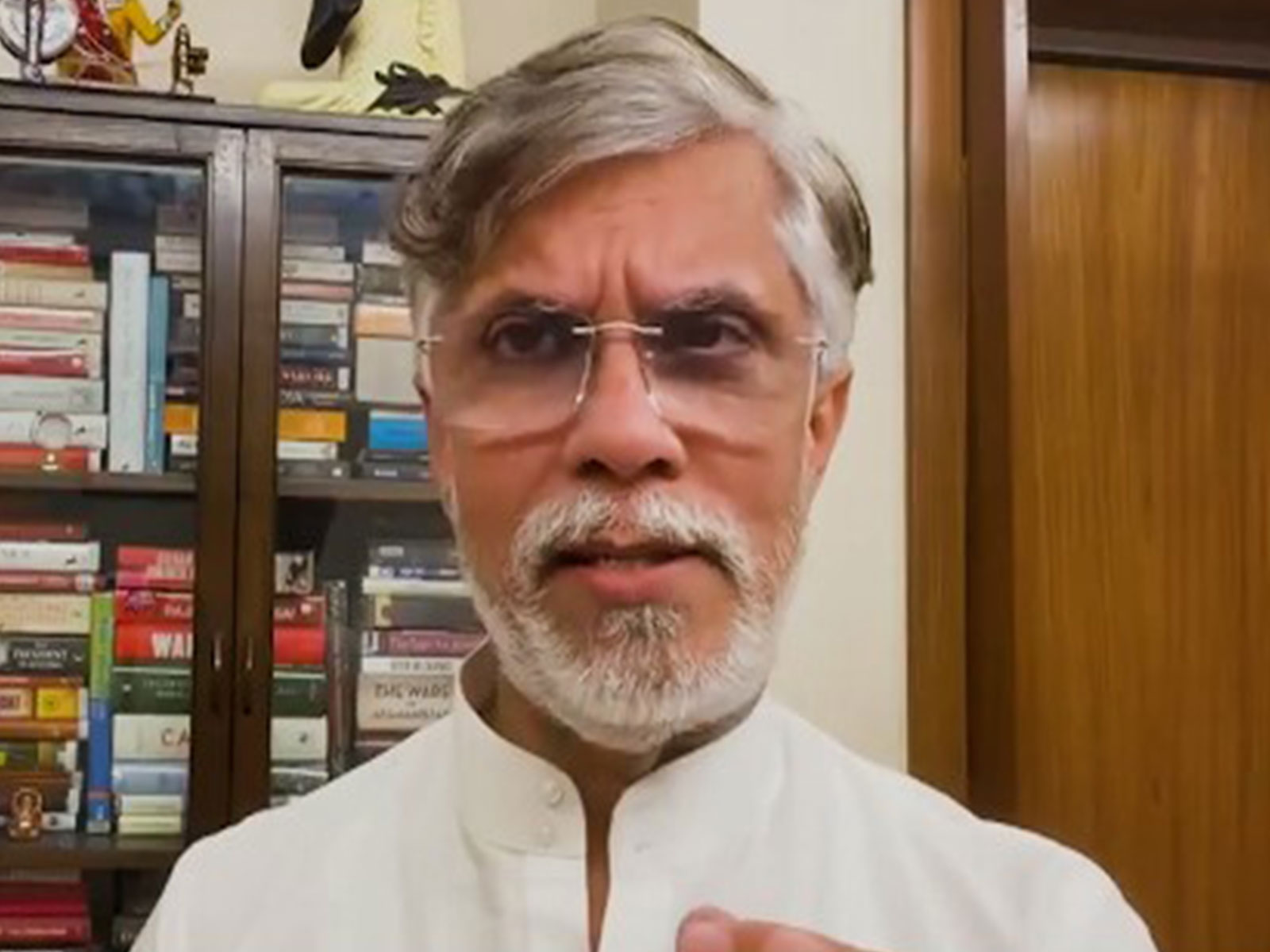


A fresh political controversy has erupted after Congress leader Pawan Khera launched a sharp attack on author and political commentator Sharmistha Mukherjee over her recent opinion piece praising Prime Minister Narendra Modi’s political rise. The article, published in a national English daily, revisited the 2014 Lok Sabha elections and described Modi as one of the strongest leaders India has seen since Independence, triggering an immediate political backlash.
The debate has once again exposed the deep divide between the ruling Bharatiya Janata Party (BJP) and the Congress over Modi’s political legacy, while also bringing former President Pranab Mukherjee’s observations back into the national conversation.
Sharmistha Mukherjee Revisits the 2014 Political Shift
In her opinion article, Sharmistha Mukherjee—daughter of former President Pranab Mukherjee argued that the 2014 general election marked a historic transformation in Indian politics. Drawing from conversations and observations of her late father, she described the election as a “tectonic shift” where voters chose Narendra Modi in what resembled a presidential-style contest rather than a traditional parliamentary election.
According to her, Modi emerged as a leader whose popularity transcended party lines and was built on personal political appeal. She also highlighted that unlike many prominent politicians, Modi did not inherit political influence through family connections but rose through the ranks on his own.
Mukherjee contrasted Modi’s political journey with that of former Prime Minister Dr. Manmohan Singh, stating that Singh, despite his administrative achievements, was never a mass leader and had assumed office after being chosen by then Congress president Sonia Gandhi rather than through a direct public mandate.
Pawan Khera Questions the Timing
Congress leader Pawan Khera dismissed the article as disconnected from the country’s present-day realities. Speaking to reporters, he questioned why public attention was being diverted to events from more than a decade ago when India is facing several pressing issues.
Khera argued that concerns such as alleged irregularities in competitive examinations, unemployment, agrarian distress and rising public anxiety deserve greater attention than discussions about the political narrative of 2014.
He remarked that leadership should ultimately be judged by governance and outcomes rather than by the length of time spent in office or personal popularity. Referring to recent controversies, Khera questioned what tangible benefits ordinary citizens had received under the current government, pointing to issues affecting students, farmers and young people.
His comments reflected the Congress party’s broader criticism of the BJP government, which has consistently accused the Centre of failing to address inflation, unemployment and challenges in the education sector.
BJP Defends Mukherjee’s Assessment
The BJP swiftly came to Sharmistha Mukherjee’s defence. Party spokesperson Shehzad Poonawalla said her observations merely acknowledged political realities that have been evident since 2014.
According to Poonawalla, Prime Minister Modi enjoys a direct popular mandate unmatched in recent Indian politics. He also recalled the cordial relationship shared by Modi and former President Pranab Mukherjee despite their ideological differences, suggesting that mutual respect had always existed between the two leaders.
The BJP maintained that Mukherjee’s remarks were based on political analysis rather than partisan considerations and reflected the significant electoral shift witnessed during the 2014 Lok Sabha elections.
A Debate That Goes Beyond One Article
The exchange has evolved into more than just a disagreement over an opinion piece. It highlights the continuing political battle over Narendra Modi’s leadership and the interpretation of the 2014 mandate, which remains a defining moment in contemporary Indian politics.
While the Congress insists that public discourse should focus on current governance challenges, the BJP continues to project Modi’s electoral success and leadership style as evidence of his enduring popularity. As political parties prepare for future electoral contests, debates surrounding Modi’s legacy, governance record and the transformation of India’s political landscape are likely to remain central to national political discourse.