




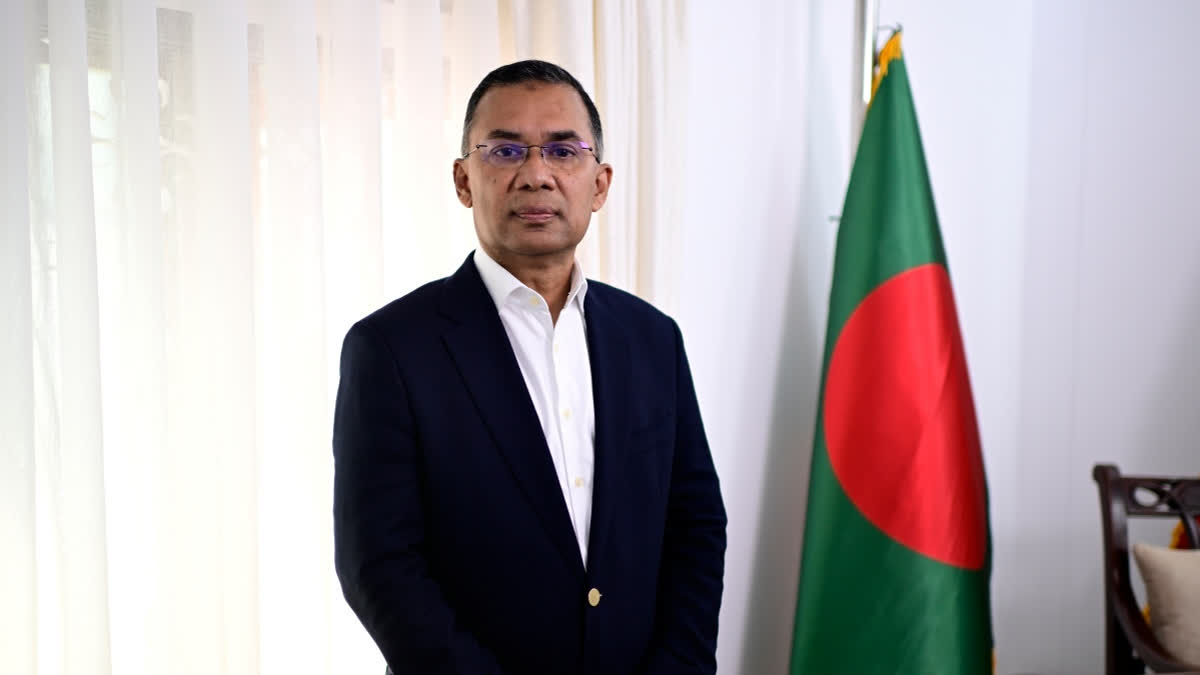


Bangladesh Prime Minister Tarique Rahman is reportedly scheduled to visit Malaysia on June 21-22 as his first official foreign trip since taking office in February. He would later be travelling to China from June 23.
Bangladesh news outlets had earlier reported that Rahman’s first official visit would be China. However, government sources told Prothom Alo that the Bangladesh Nationalist Party (BNP) administration had “exercised particular caution in selecting the destination” due to “the realities of regional geopolitics and the strategic competition between India and China”.
“For that reason, choosing a third country rather than either New Delhi or Beijing gained prominence in government deliberations,” said the report, citing the sources.
Analysts believe the BNP government opted for Malaysia to show neutrality and avoid sending signals to either India or China.
Rahman is expected to address practical bilateral matters in Malaysia before leaving for Beijing. Issues such as migrant welfare, education collaboration, and boosting trade and investment flows are likely to be the key items in the agenda.
According to the Dhaka-based newspaper The Business Standard, Malaysia has over 8,00,000 Bangladeshi migrants and hosts over 11,000 Bangladeshi students, which is the second-largest after Chinese students.
Rahman’s China visit is expected to carry high-stakes as Dhaka imports approximately $25 billion worth of goods from Beijing. The ousting of the Awami League government and subsequent political instability had led to a sharp decline in Chinese investments in infrastructure projects in the country. Rahman might hope to restart discussions on funding and project implementation through his Beijing trip.
India had previously reached out to the BNP government by sending Lok Sabha speaker Om Birla to Rahman’s swearing-in ceremony in February, where he delivered a letter from Prime Minister Narendra Modi, inviting him and his family to India.
India is currently looking to deepen cooperation with the new Bangladeshi administration after frictions during Muhammad Yunus’ interim regime.