




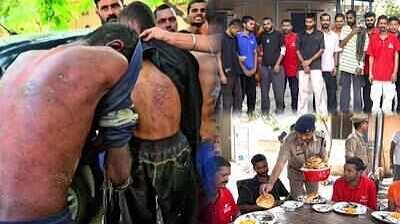


In a shocking case that has exposed the dark underbelly of forced labour in Uttar Pradesh, Muzaffarnagar’s Police have uncovered a brutal human trafficking and bonded labour racket that allegedly trapped vulnerable migrant workers and subjected them to inhuman conditions inside a private factory unit. A massive manhunt is now underway for the absconding factory owner, who faces serious charges under the Bharatiya Nyaya Sanhita (BNS) and the Bonded Labour System (Abolition) Act.
The case came to light after authorities raided the facility and rescued 12 men who were found in severely weakened physical and psychological condition. What they revealed has stunned investigators and sparked outrage among human rights observers.
According to police and survivor accounts, the operation was highly organized and deliberately designed to exploit desperation. The accused allegedly targeted migrant labourers at railway stations and crowded public spaces, identifying individuals struggling with unemployment or financial crisis. They were offered attractive promises steady wages, food, and accommodation in a manufacturing unit presented as a pathway to stability and dignity.
But those promises quickly turned into a nightmare. Once the workers arrived at the facility, their freedom was immediately stripped away. Mobile phones, identity cards, and personal belongings were confiscated, cutting off any connection with the outside world. Survivors reported that they were not allowed to leave the premises under any circumstances.
Inside the factory, conditions were described as extremely harsh and abusive. Workers were forced to endure shifts stretching up to 20 hours a day under constant surveillance. Any slowdown in work or attempt to resist was reportedly met with violence. Victims allege they were beaten with iron rods and subjected to repeated physical assault, creating an atmosphere of fear and total control.
Food provisions were minimal, with survivors stating they were given only one basic meal per day. Combined with exhaustion and abuse, many workers fell ill but were still forced to continue working.
Following the rescue operation, authorities have initiated emergency relief measures. The rescued men are undergoing medical treatment for injuries and are receiving psychological counseling to help them recover from trauma. Officials are also processing “Bonded Labour Release Certificates,” which legally free the victims from any fabricated debt obligations imposed by the accused. These certificates also enable them to access government rehabilitation schemes, including financial assistance, housing support, and vocational training.
Meanwhile, police teams are intensifying efforts to trace the absconding factory owner and dismantle the broader network, if any, involved in the operation. Investigators are also moving to identify and seize assets linked to the accused to ensure compensation and legal accountability.
The case has once again highlighted the persistent issue of bonded labour and trafficking networks operating under the guise of legitimate employment, raising urgent questions about labour enforcement and worker protection mechanisms in industrial regions.